Close Rate: What It Is and How to Improve It
Find out what close rate means, how to calculate it, what a good rate looks like, and 7 simple tactics to win more jobs from the quotes you already send.
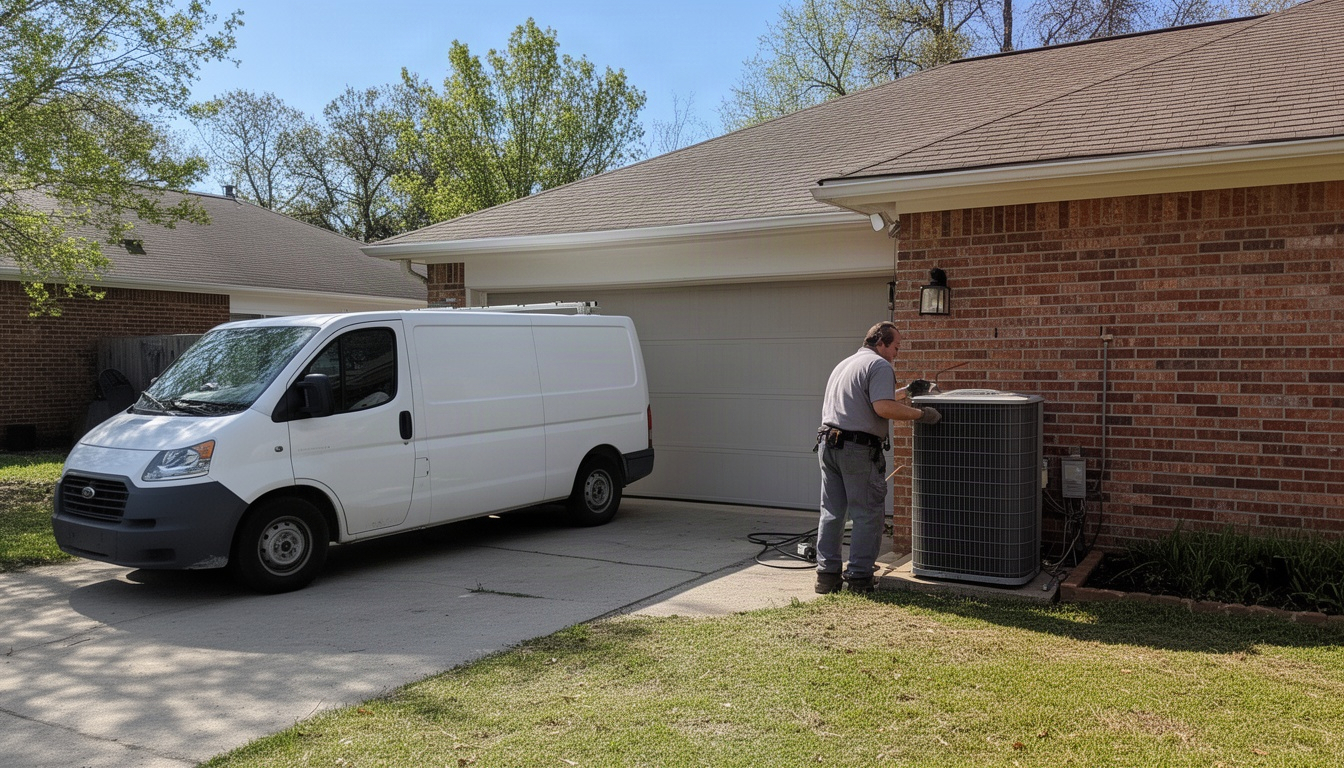
You send out 60 quotes this month. Eighteen of them turn into jobs. That's your close rate: 30%.
Sounds simple enough, right? But here's what most owners miss: that one number tells you almost everything about whether your business is making money or leaving it on the table. A close rate that's too low means you're chasing leads that never convert. A close rate that's too high on cheap work means you're winning jobs you shouldn't be taking. And if you don't know your close rate at all, you're flying blind.
This guide walks you through what close rate actually means, how to calculate yours in the next 30 minutes, what a healthy rate looks like for your trade, and seven concrete tactics to improve it - without hiring more office staff or overhauling your whole sales process.
In This Article
What Is Close Rate?
Close rate is the percentage of estimates or quotes you send out that turn into paying jobs. That's it.
You divide the number of jobs you won - as thesalesblog.com explains how to calculate - by the total number of quotes you sent, multiply by 100, and you've got your close rate. It's the single clearest measure of whether your sales process is actually working.
Why does it matter? Because close rate is the bridge between leads and revenue. You can spend money on ads all day, but if your close rate is low, you're burning half your marketing budget. On the flip side, if your close rate is strong, you might not need more leads at all - you just need to close the ones you've already got.
Close rate and win rate sound like, as Outreach explains, the same thing, but they're not quite. Win rate usually refers to deals won from a qualified pipeline - customers who already fit your criteria and were genuinely interested. Close rate counts every quote you sent, regardless of whether the customer was a real prospect or just kicking tires. For a home service business, close rate is the more useful number because it shows you the whole picture: how many of the people you actually talk to end up hiring you.
One more thing worth knowing: the speed at which you respond to a quote request directly affects whether that quote ever closes. Research shows that deals where reps engage prospects within five minutes of inquiry can see win rates roughly 21% higher than slower follow-ups. If a customer calls for an estimate and you call them back within minutes, you're far more likely to reach them and book an appointment than if you wait around. That responsiveness feeds straight into your close rate.
How Do You Calculate Close Rate?
Here's the formula:
(Jobs Won ÷ Total Quotes Sent) × 100 = Close Rate %
Let's walk through a real example. Say you're an HVAC contractor. In September, you sent out 60 quotes. Of those, 18 turned into jobs. Your math looks like this:
(18 ÷ 60) × 100 = 30%
That's your close rate for the month.
Now, here's the part that trips up a lot of owners: what actually counts as a "quote"? If a customer calls and asks a question over the phone but you never send a written estimate, that's not a quote. A quote is something you prepared and delivered - whether that's a text, an email, a printed sheet, or a handwritten note. If you count every phone call as a quote, your denominator balloons and your close rate looks artificially low.
The same goes for leads. A lead is someone who expressed interest. A quote is a specific price for a specific job. Don't mix them up.
You can calculate close rate monthly to catch short-term dips - bad weather, a tech having a rough week - but the real insight comes from a trailing 12-month average. Seasonality hits hard in HVAC and roofing, so a single month can be misleading. A year-long view smooths out the noise and shows whether you're genuinely improving.
If you're using field service software like Jobber, Housecall Pro, or ServiceTitan, your close rate is probably already sitting in your dashboard. If you're on pen and paper or a basic spreadsheet, you can track it with three columns: date, number of quotes sent, number of jobs won. Divide the second by the first every month and you're done.
What Is a Good Close Rate?
This depends on your trade. Here's what contractors in each category typically see:
| Trade | Typical Close Rate Range | Why |
|---|---|---|
| HVAC | 30–40% | Mix of emergency and planned work; in-home estimates close higher |
| Roofing | 25–35% | Highly competitive; customers often get 3+ bids |
| Plumbing | 35–50% | Emergency calls close faster; less shopping around |
| General Contracting | 20–30% | Longer sales cycles; bigger budgets mean more deliberation |
These aren't hard rules - they're ranges based on what contractors in each trade commonly experience. Your rate might be higher or lower depending on your market, your pricing, and how you sell.
One big variable is how you deliver the estimate. Give the quote in person at the customer's home and you'll close at roughly double the rate of a phone quote. An HVAC tech standing in front of a broken furnace can answer objections on the spot, explain the work, and often get a yes that same day. A quote read over the phone? The customer hangs up and calls two other companies.
Job size matters too. A small drain cleaning closes the same day. A large HVAC replacement might take a week of deliberation. Smaller tickets move faster, which is part of why plumbers often see higher close rates than roofers.
Here's an honest caveat: a close rate that's too high can actually be a warning sign. If you're closing a very high percentage of your quotes, you might be underpriced. You're winning every job because you're well below market rate. That feels great until you look at your profit margin and realize you're working harder for less money. A healthy close rate on well-priced work beats a sky-high close rate on cheap work every single time.
Why Is Your Close Rate Low? Common Causes
Before you try to fix your close rate, figure out why it's low in the first place. Here are the five most common culprits:
1. Slow follow-up. You send a quote and wait three days to follow up. By then, the customer has already called two other companies and made a decision. Responding quickly after a quote request dramatically improves your odds of reaching the customer and booking an appointment. The longer you wait, the colder the lead gets.
2. Unclear or high pricing. The customer sees your quote and has no idea why it costs what it costs. You didn't explain the breakdown, the labor, the materials, or the warranty. They assume you're overpriced and call someone cheaper. Or your pricing genuinely is high - not because you're greedy, but because you haven't tested what the market will bear.
3. Weak discovery questions. You show up, eyeball the job, and write a quote without really understanding what the customer wants or what their pain point is. You miss the chance to ask why they're calling now, what they've tried before, or what matters most to them - speed, warranty, lowest price. That information would help you position your quote far more effectively.
4. No urgency. The customer has a leaky faucet. It's annoying, but it's not an emergency. You send a quote and they file it away. Six months later, they might call you - or they might not. Without a reason to act now, they procrastinate.
5. Wrong lead source. You're getting leads from a source that attracts tire-kickers - people shopping purely for the cheapest price, not looking for quality. Your close rate on those leads will always be low because they were never real prospects to begin with.
The fastest way to diagnose which one is your problem: track the reason you lost each quote for 90 days. After three months, you'll see a pattern. Most contractors find that their losses cluster around just two or three reasons - usually price, timing, or a competitor. Once you know what's actually killing your close rate, you can fix it specifically instead of guessing.
How to Improve Your Close Rate: 7 Proven Tactics
Tactic 1: Respond Within 5 Minutes
This is the single biggest lever you have. When a customer requests a quote online or calls your office, respond within 5 minutes. Not 30 minutes. Not an hour. Five minutes.
Why? Because the moment they hit send or hang up the phone, they're calling the next contractor. If you answer first, you're in. If you're slow, you're competing with companies who were faster - and research shows that the speed of first contact makes an enormous difference in whether you ever reach the prospect at all.
If you're the owner and you're out on jobs all day, set up your phone so quote requests go to a dedicated number or email that gets checked constantly. Or have someone in the office handle first contact. The point is: don't let a quote request sit.
Tactic 2: Send Appointment Reminder Texts
You book an estimate appointment for Thursday at 2 p.m. The customer forgets. Or they get cold feet. Or they book someone else in the meantime.
Send a text reminder 24 hours before and another an hour before the appointment. Contractors who do this see no-show rates drop dramatically. Every no-show is a wasted slot and a lost chance to close.
The text doesn't need to be fancy: "Hi Sarah, just confirming your HVAC estimate tomorrow at 2 p.m. at 123 Oak Street. Reply YES to confirm or call us at 555-1234 if you need to reschedule."
Tactic 3: Present Good-Better-Best Pricing
Instead of giving one quote, give three: a basic option, a mid-tier option, and a premium option. Customers tend to choose the middle or premium option more often than not, which raises your average invoice and often improves your close rate because they feel like they have real choices.
Say you're a roofer quoting a roof replacement. Instead of one price, you offer:
- Good: Standard asphalt shingles, 20-year warranty
- Better: Premium architectural shingles, 30-year warranty, upgraded flashing
- Best: High-end architectural shingles, lifetime warranty, upgraded ventilation
Most customers pick Better or Best. You close the job and your average ticket goes up. The customer feels like they got to choose their level of quality instead of being handed a take-it-or-leave-it number.
Tactic 4: Address Objections Before They're Raised
Walk the customer through your pricing and your process before they ask. Explain what's included, why it costs what it costs, what your warranty covers, and how long the work takes.
A plumber might say: "This repair covers the valve, the supply line, and the shutoff - three parts plus the labor to install them right. We guarantee the work for a year, and if anything leaks, we come back for free."
You've just answered the three objections they were about to raise: price, what's included, and warranty. They're more likely to say yes because you've already addressed their concerns before they had a chance to stew on them.
Tactic 5: Use a Dashboard to Track Close Rate Weekly
You can't improve what you don't measure. Set up a simple spreadsheet or use your CRM's built-in dashboard to check your close rate every week. Track it by job type, by technician, by lead source - whatever matters to your business.
A pest control owner might notice that quotes from Google Local Services close at a much higher rate than quotes from Facebook ads. That tells you where to spend your marketing money.
An HVAC contractor might see that their lead tech closes at a noticeably higher rate than a newer tech. That's a training opportunity sitting right in front of you.
Weekly checks catch problems early. Monthly checks are too slow. Quarterly checks are nearly useless.
Tactic 6: Ask a Closing Question Explicitly
At the end of your estimate, don't just hand over the quote and say "Let me know." Ask: "Would you like to move forward with this today?" or "Can I schedule the work for next week?"
Asking for the business directly creates a decision point instead of a deferral. The customer either says yes, says no with a reason, or asks a question. All three are better than silence - and all three move things forward.
Tactic 7: Follow Up on Unsold Quotes With a Structured Sequence
You sent a quote. The customer didn't say yes. Don't just forget about them.
Call on day 3: "Hi, I wanted to check in on that estimate I sent over. Do you have any questions about the pricing or the work?"
Send a text or email on day 7: "We're still interested in helping with your project. If you'd like to move forward or have questions, just reply or call."
Contractors who use a simple two-touch follow-up sequence like this regularly recover a meaningful chunk of quotes they thought were dead. A roofing contractor sending 40 quotes a month who improves their close rate by even 10 percentage points adds several jobs a month - just from following up. That's real money, and it costs nothing but a few minutes of effort.
How to Track Close Rate Over Time
You need a system. Here's the simplest one that works:
Create a spreadsheet with these columns:
| Date | Quote # | Job Type | Dollar Value | Won/Lost | Reason Lost |
|---|---|---|---|---|---|
| 9/1 | 1 | AC Repair | $450 | Won | - |
| 9/1 | 2 | Furnace Replace | $8,200 | Lost | Price too high |
| 9/2 | 3 | Drain Clean | $200 | Won | - |
| 9/2 | 4 | Roof Inspection | $150 | Lost | Chose competitor |
Every time you send a quote, log it. When you hear back - yes or no - mark it. If it's a no, write down why if you know.
After 30 days, calculate your close rate: (Wins ÷ Total Quotes) × 100.
After 90 days, look at the "Reason Lost" column. You'll see patterns. Most contractors find that price, timing, and competitor choice account for the majority of their losses. That's your roadmap for improvement.
Review this spreadsheet weekly. Look for trends. Is your close rate going up or down? Are certain job types closing better than others? Is one technician closing more than another?
If you're using Jobber, Housecall Pro, ServiceTitan, or similar software, this tracking is built in and you can pull a close rate report in seconds. If you're not on software yet, the spreadsheet works fine - it just takes a few minutes a week to maintain.
Frequently Asked Questions About Close Rate
What is a good close rate for a service business?
Direct Answer: It depends on your trade, but somewhere in the 30–40% range is solid for most home service contractors.
HVAC and plumbing tend to run higher because of emergency demand and smaller job sizes. Roofing and general contracting run lower because customers shop more and deliberate longer. The key is knowing your own baseline and improving from there. A close rate that's very high often signals underpricing. A close rate that's very low usually points to a sales process problem.
How is close rate different from conversion rate?
Direct Answer: Close rate is specific to sales; conversion rate is broader, as DigitalApplied's conversion rate benchmarks post explains, and can apply to any action.
In sales, close rate means quotes that turn into jobs. Conversion rate might mean website visitors who request a quote, or leads who book an appointment, or customers who renew their service plan. Close rate is one piece of your overall conversion funnel, as Storylane's sales funnel guide notes. You might convert a healthy percentage of visitors into quote requests, but only close a portion of those quotes into actual jobs. Both matter, but they measure different things.
How do I calculate my close rate if I give verbal quotes over the phone?
Direct Answer: Log every verbal quote you give, just like you would a written one.
Write down the date, the job type, the price you quoted, and whether they said yes or no. If they said no, note why if they told you. It's the same calculation: jobs won divided by total quotes given. The only difference is you're tracking verbal estimates instead of written ones. The discipline is the same.
Does a higher close rate always mean better sales performance?
Direct Answer: No. A high close rate on underpriced work is a trap.
If you're closing a very high percentage of your quotes but your profit margin is thin, you're working harder for less money. A moderate close rate on well-priced work with a healthy margin beats a sky-high close rate on cheap work every time. Track close rate alongside gross margin. The goal isn't to close every quote - it's to close the right quotes at the right price.
What tools can I use to track and improve my close rate?
Direct Answer: Field service software like Jobber, Housecall Pro, or ServiceTitan automates close rate tracking and follow-up.
These platforms log every quote you send, track which ones close, and let you segment by job type, technician, or lead source. They can also automate reminder texts and follow-up sequences. If you're not on software yet, a spreadsheet works fine. The key is consistency: log every quote, review weekly, and act on the patterns you see.
How long should I follow up on an unsold quote before moving on?
Direct Answer: Follow up at least twice - once around day 3 and again around day 7.
After that, you can check in monthly if you like, but the real recovery happens in the first week. Most customers who are going to reconsider will do so within those first seven days. After 30 days, the lead is usually cold. Focus your energy on the fresh quotes and the ones that are still warm.
What is the average close rate for HVAC contractors?
Direct Answer: Most HVAC contractors see close rates somewhere between 30% and 40%.
A rate well above that range might indicate underpricing. A rate well below 25% usually signals a sales process problem - slow follow-up, unclear pricing, or weak discovery. HVAC benefits from emergency calls like a furnace going down in winter, which close fast, but also faces real competition on planned replacements. The range reflects that mix.
The Bottom Line
Your close rate is the clearest window into whether your sales process is working. It's not about being a natural salesperson or having some gift for closing. It's about speed, clarity, and follow-up.
Respond quickly. Send reminder texts. Give customers choices. Explain your pricing upfront. Track your numbers weekly. Ask for the business. Follow up on the ones you lose.
Do those seven things and your close rate will move. A roofing contractor who improves their close rate by even 10 percentage points adds several jobs a month without spending a dime on ads. That's real revenue from the leads you're already getting.
If you want to see your close rate without the spreadsheet work, LocalRestart sets this up for you - showing you exactly how many quotes you win, which ones you lose, and why. But whether you track it yourself or use software, the point is the same: know your number, and improve it deliberately.
Start this week. Log every quote you send. Check back in 30 days. You'll know your baseline. Then pick one tactic from the list above and run it for a month. You'll see the difference.