Electrical Change Order: How It Works (2026)
Learn what an electrical change order is, how to write one, what to charge, and how to avoid disputes. Practical guide for electrical contractors.
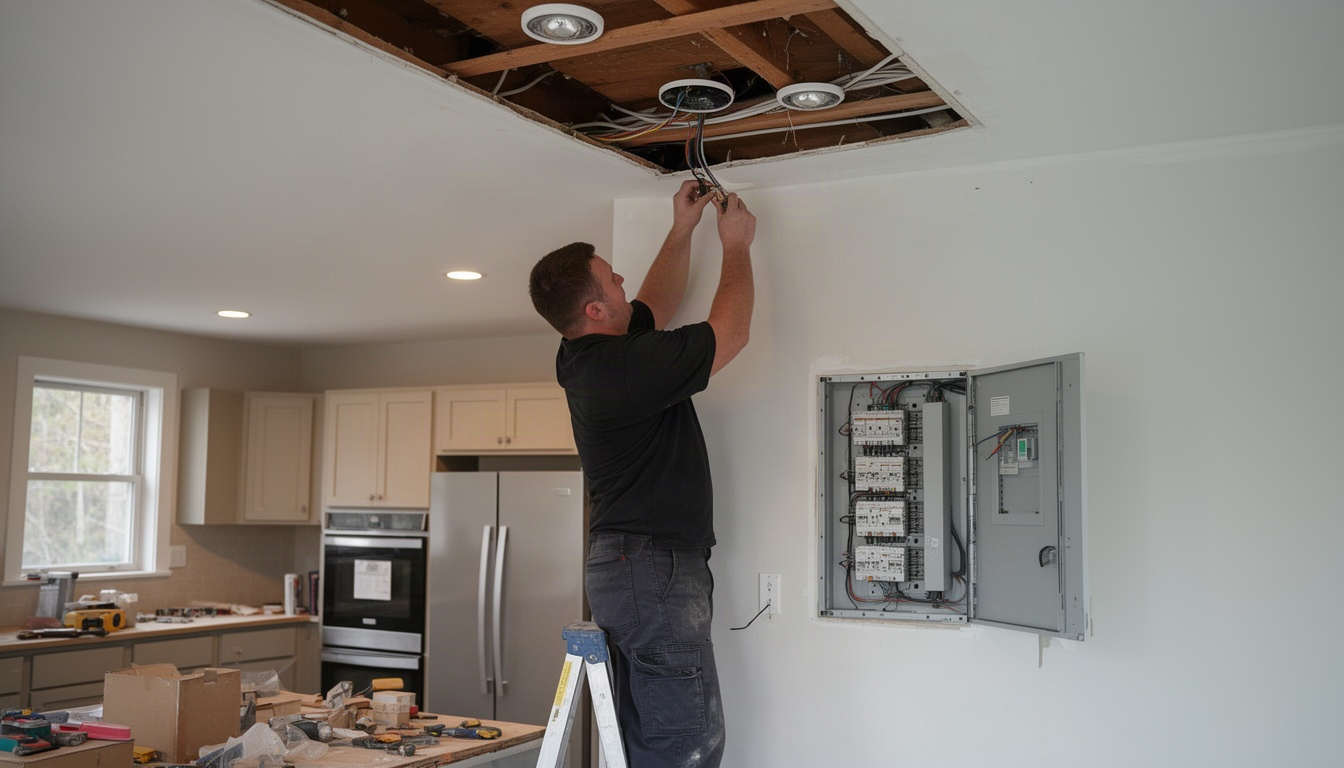
You're halfway through a residential panel upgrade when the homeowner asks for six recessed lights in the kitchen. The rough-in is done. Drywall goes up next week. You know it's extra work, but you're not sure how to price it, document it, or make sure you actually get paid for it.
That's where an electrical change order comes in.
An electrical change order is a written agreement between you and your customer, or the general contractor, that documents any work beyond the original scope and locks in the price before you lift a finger. It protects both of you: the customer knows what they're paying, and you know you're getting paid for the extra hours and materials.
The problem is, most electrical contractors either skip the change order entirely and lose money, or they write one so vague that disputes blow up later. This guide walks you through what to include, how to price it right, and how to get it signed before the work starts.
In This Article
- What Is an Electrical Change Order?
- When Should You Issue an Electrical Change Order?
- How to Price an Electrical Change Order
- What Should an Electrical Change Order Include?
- How to Get Change Orders Approved Faster
- How to Avoid Change Order Disputes
- Frequently Asked Questions About Electrical Change Orders
- The Bottom Line
What Is an Electrical Change Order?
A change order is a legal directive that amends the construction contract's terms and conditions. It says: "Here's what's different from the original plan, here's why, here's what it costs, and here's when we'll do it."
Your original estimate is the contract. The change order is an amendment to that contract. Without it, you're doing extra work on a handshake, and handshakes don't hold up in court or when the bill comes due.
Scope creep is the silent profit killer in many contracting businesses. The homeowner asks for one outlet. Then another. Then they want the wire run through the attic instead of the wall. Before you know it, you've spent four extra hours and bought a pile of materials, and nobody agreed on a price. A written change order forces a conversation about scope, cost, and timeline before the work starts.
On commercial jobs, change orders are often required by the contract itself. The AIA A201 standard, used in most commercial construction contracts, explicitly states that all changes must be authorized in writing before work proceeds. On residential jobs, things are less formal, but a change order matters just as much to your bottom line.
When Should You Issue an Electrical Change Order?
Any time the scope changes and it's going to cost you time or money. Common triggers:
- Added circuits or outlets - Homeowner wants two more 20-amp circuits in the garage after rough-in is complete.
- Panel upgrades - Customer decides mid-project they need a 200-amp service instead of 100-amp.
- Code compliance issues - Inspector requires GFCI protection on circuits that weren't originally specified, or a new NEC edition is adopted and your permit gets revised.
- Design changes - Customer moves a light fixture location, or wants recessed lights instead of surface-mounted.
- Unforeseen conditions - You open a wall and find old knob-and-tube wiring that needs to be removed and replaced.
- Material substitutions - Customer upgrades from standard outlets to smart outlets, or wants a different panel brand.
A good rule of thumb: if it's going to add more than half an hour of labor or a meaningful amount of materials, write a change order. On bigger jobs, lower that threshold even further. Document it before you do it, not after.
Verbal approvals fail every time. The homeowner says "Yeah, go ahead," you do the work, and three weeks later when the bill arrives, they say "I never agreed to that." Write it down. Send it via text, email, or paper. Get a signature or a clear written yes.
How to Price an Electrical Change Order
The formula: Labor + Materials + Overhead + Profit = Change Order Price.
Here's a real example. Adding six recessed lights to a kitchen:
Labor: 4 hours at $85/hour = $340
Materials: Six recessed light fixtures, six trims, wire, connectors, boxes = $160
Overhead (20%): ($340 + $160) × 0.20 = $100
Profit margin (15%): ($340 + $160 + $100) × 0.15 = $90
Total change order price: $690
If you price at just labor plus materials, you're giving away the overhead and profit. Do that across several change orders a month and you've quietly handed back a big chunk of your margin.
The right overhead percentage depends on how you operate. If you're a solo operator, somewhere around 15–20% is reasonable. If you're running a crew and an office, you'll likely need more. Profit margin is what you keep after all costs are covered, 10–15% is a common target for electrical contractors.
Time and Materials vs. Fixed Price
Time and materials (T&M) means you bill for actual hours worked plus materials, with a markup. It's flexible, if the job runs long, you're covered, but it can open the door to disputes over hours, and GCs often dislike it because they can't predict the final cost.
Fixed price means you quote a total upfront. The customer knows exactly what they're paying. You carry the risk if the job takes longer than you estimated, but you also avoid the "how many hours did you really work?" argument.
For change orders, fixed price is almost always the better call. It's faster to approve, easier to invoice, and keeps everyone on the same page.
How to Account for Overhead and Markup
Your hourly rate should already reflect your loaded labor cost, wages, payroll taxes, truck, fuel, insurance, tools, and a share of office overhead. But a change order also needs to recover broader business costs: office rent, software, estimator time, your accountant. If you don't add overhead to your change orders, those costs quietly eat into your profit margin.
Add overhead and profit margin. Always. Effective change order management comes down to three things: documentation, communication, and visibility. It's not padding, it's just running a real business.
What Should an Electrical Change Order Include?
- Job name and address
- Change order number - CO-001, CO-002, etc.
- Date issued
- Description of the scope change - Be specific. "Add six recessed lights in kitchen" beats "Add lights."
- Reason for the change - "Customer requested," "Code requirement," or "Unforeseen condition."
- Labor breakdown - Hours and hourly rate.
- Materials list - Itemized.
- Total price - Labor + materials + overhead + profit.
- Schedule impact - When will this work happen?
- Approval lines - Signature and date for both parties.
Here's a simple template:
ELECTRICAL CHANGE ORDER
Project: 42 Oak Street, Anytown, NY Change Order #: CO-001 Date: March 3, 2026 Contractor: Your Company Name
Scope of Change: Add six recessed LED light fixtures with trims in kitchen. Includes new 20-amp circuit, wire, boxes, and connections.
Reason for Change: Customer requested additional lighting.
Labor: 4 hours @ $85/hour = $340
Materials:
- 6 recessed fixtures @ $15 = $90
- 6 trims @ $8 = $48
- Wire, connectors, boxes = $22
- Subtotal materials: $160
Overhead (20%): $100 Profit margin (15%): $90
Schedule: Work to be completed week of March 10, before drywall installation.
Approved by:
Customer/GC: _________________ Date: _______
Contractor: _________________ Date: _______
A few practical tips: take photos of existing conditions before you start. Use field software like ServiceTitan or Jobber to create and send the CO from the job site for digital approval. Keep a signed copy on file.
How to Get Change Orders Approved Faster
Present the change order the moment you identify the scope change, ideally in person, right there on the job site. Don't let it sit until the end of the job.
Step 1: The homeowner asks for extra lights. You say, "That's not in the original scope, but I can do it. Let me work out the cost."
Step 2: Take a photo of the area, note existing conditions, measure if needed.
Step 3: Write the CO and send it via text or email the same day.
Step 4: Set an approval deadline. Include language in your original contract: "Change orders must be approved in writing within 48 hours of submission, or work will not proceed."
Step 5: Do not proceed until it's signed. Work performed without a signed change order creates significant financial and legal exposure for the contractor. If you do the work before approval, you've lost your position to collect.
On commercial jobs, if a GC directs you to proceed without signing, send a written "work under protest" notice: "Per your direction, we are proceeding with [scope]. We consider this work extra-contractual and reserve the right to claim additional compensation." That preserves your legal right to payment even if the CO never gets formally signed.
How to Avoid Change Order Disputes
The single most common area of dispute in the change order process is its cost. Most disputes don't actually start with the change order. They start because the original contract was vague. The three most common causes:
1. Verbal-only approvals. The customer denies agreeing. Write it down.
2. Vague original scope. Your estimate doesn't clearly define what's included and what's not, so the customer assumes everything is covered.
3. Pricing not agreed upfront. You do extra work, estimate the cost afterward, and the customer thinks the number is too high.
In your original contract, include language like: "Any work outside the scope of this estimate requires a written change order. The customer must approve the change order in writing before work proceeds. Change orders will include labor hours, materials, overhead, and profit margin. The customer has 48 hours to approve or decline."
If a GC or homeowner refuses to pay a change order, start with your paperwork, signed CO, photos, confirming emails. Send a formal payment demand. If they still won't budge, you have legal options: on residential jobs, file a mechanics lien against the property; on commercial jobs, file a claim against the payment bond. Both require notice and filing deadlines that vary by state, so don't wait too long.
Frequently Asked Questions About Electrical Change Orders
How much does a typical electrical change order cost?
It really depends on the scope. A simple outlet addition is a very different job from adding a new circuit or upgrading a panel, which can run considerably more. Commercial change orders can be larger still. Whatever the amount, make sure your CO breaks down labor, materials, overhead, and profit separately so the customer understands what they're paying for.
What markup should electricians add on change orders?
A common approach is around 20% for overhead and 15% for profit margin on top of direct labor and materials. Some electricians prefer a single combined markup instead, that works too, as long as it actually covers your costs. The key is not pricing change orders at cost or barely above it. You need to recover overhead and make a margin, just like on any other job.
What is the difference between a change order and a change directive?
A change order is a written amendment to an existing contract between an owner, general contractor (GC), or subcontractor (sub) that modifies the original scope of work, project schedule, or contract price. A change directive is issued by the owner or GC directing work to proceed before the change order is finalized. If a GC issues a change directive, document it in writing and send a "work under protest" notice to protect your right to payment.
How do you handle a GC who refuses to sign a change order?
Email the GC and project manager: "We submitted change order CO-001 on [date] for [scope]. Please confirm approval or denial by [date], or we will stop work." If they refuse to pay after the work is done, file a mechanics lien on a residential job or a claim against the payment bond on a commercial one. Check your state's notice and filing deadlines, they matter.
Do residential electrical change orders need to be in writing?
Yes, always. A verbal change order is not enforceable. Send it via text, email, or paper and get a signature or clear written confirmation.
The Bottom Line
An electrical change order documents what's changing, why, and what it costs. It forces a conversation before the work starts, prevents disputes, and makes sure you get paid for the extra work you do.
The process is straightforward: identify the scope change, write a clear CO with labor, materials, overhead, and profit, send it to the customer, get written approval, then do the work. Most of the time you can knock this out on your phone in the truck in ten minutes. That ten minutes can save you a lot of headaches, and a lot of money.
If you're running a crew and handling multiple change orders a week, tools like ServiceTitan or Jobber let you create and send a CO from the field for phone approval.
Every scope change gets a written CO. Every CO gets signed before work starts. Every CO includes labor, materials, overhead, and profit. Do that consistently, and you'll stop leaving money on the table.