Price Increase Letter: Templates, Tips & Examples (2026)
Write a price increase letter that retains clients. Includes 5 copy-paste templates, real examples, and proven tips to reduce pushback. Updated 2026.
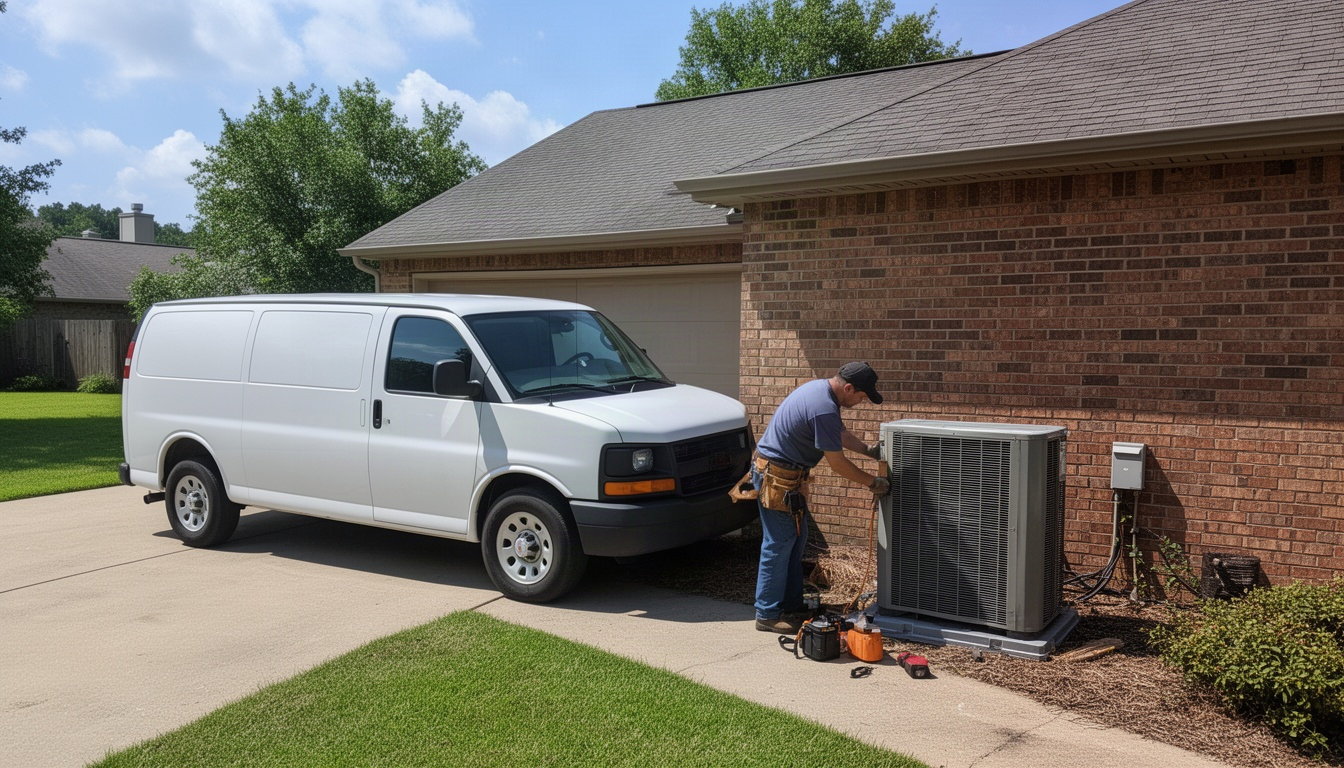
Your costs went up. Fuel's more expensive. Labor's harder to find. Materials cost more than they did last year. So you need to raise your prices. But here's the thing: sending a price increase letter the wrong way can cost you clients faster than you can replace them. (Bls.gov) (Ftc.gov)
A well-written price increase letter doesn't have to feel like a betrayal. It's just honest communication. You're telling your customers what's true: your business costs more to run, and you need to adjust your rates to keep serving them at the same quality level.
This guide gives you five real templates you can copy today, plus the framing that actually keeps clients on board. You'll also see how to handle pushback when it comes - because it will come - and how to time the whole thing so you lose the fewest customers possible.
In This Article
- What Is a Price Increase Letter (and When Should You Send One)?
- What Should a Price Increase Letter Include?
- 5 Price Increase Letter Templates You Can Copy Today
- How Do You Write a Price Increase Letter That Keeps Clients?
- How Should You Handle Client Pushback?
- Price Increase Letter Mistakes to Avoid
- Frequently Asked Questions
- The Real Problem: You're Losing Money Every Month You Wait
- Next Steps
What Is a Price Increase Letter (and When Should You Send One)?
A price increase letter is a written notice to your existing clients telling them that your rates are going up, when the increase takes effect, and why.
You send one when:
- Your costs genuinely went up. Fuel prices rose. Your supplier increased material costs. Labor is harder to find and more expensive.
- You were underpriced to begin with. You've been in business a few years and realize you're charging well below what the market actually pays.
- Your service scope expanded. You added a warranty, a diagnostic fee, or a follow-up visit.
- It's been a while since your last increase. If you haven't raised rates in two or three years and inflation has been running, you're losing money in real terms every month.
- You're moving to a subscription or recurring model.
Timing matters. Give your customers 30 to 60 days' notice before the new rate takes effect. Shorter notice - under two weeks - triggers more cancellations. Longer notice - 90-plus days - gives clients time to shop around.
What Should a Price Increase Letter Include?
A price increase letter needs six things. Miss one, and you'll get more pushback than you should.
1. A clear greeting with the client's name. "Dear Sarah" beats "Dear Valued Customer" every time.
2. A specific reason for the increase. Not "market conditions." Say it straight: "Our fuel costs have risen sharply over the past year." Specificity builds trust. Vagueness triggers suspicion.
3. The old rate and the new rate, side by side. Show the math. "$150/hour → $165/hour." Don't bury it.
4. The effective date. "Effective March 1, 2027." Be exact.
5. A reminder of the value they're getting. Anchor them to the relationship before you ask them to pay more.
6. A clear call to action. "Reply by February 15 to lock in your current rate through June 30." Give them a way to respond.
5 Price Increase Letter Templates You Can Copy Today
Template 1: Service Business (General) - Formal Tone
Best for: HVAC, plumbing, roofing, electrical, restoration. Established clients.
Dear [Client Name],
I'm writing to let you know about an important change to our service rates, effective [Date].
Over the past year, our operating costs have increased significantly. Fuel costs are up, parts and materials have risen, and labor availability in our market has tightened considerably. To continue delivering the same quality service and reliability you've come to expect, we're adjusting our rates as follows:
Current rate: $[Old Rate]/hour New rate: $[New Rate]/hour Effective: [Date]
Over the [X years] we've worked together, we've built something solid. You know we show up on time, we do the job right, and we stand behind our work. That doesn't change. Your service quality stays exactly the same - just at a rate that lets us keep that promise.
If you have questions or want to discuss your specific situation, please call me at [Phone] or reply to this email.
Thank you for your business.
Your Name Business Name
Template 2: Freelancer to Retainer Client - Conversational Tone
Best for: Consultants, designers, contractors with monthly retainers.
Hi [Client Name],
I wanted to reach out directly about something that affects our work together.
Starting [Date], I'm adjusting my retainer rate from $[Old Rate]/month to $[New Rate]/month.
Here's why: I've been doing this work for [X years], and I've gotten better at it. I'm more efficient, I deliver faster, and the results are stronger. The old rate reflected where I was three years ago. The new rate reflects where I am now: more experienced, more selective, and more committed to doing excellent work.
Your retainer covers [list what's included]. That doesn't change. You'll still get the same response time, the same quality, and the same access to me.
If you want to lock in the current rate through [Date], just let me know by [Cutoff Date]. Otherwise, the new rate kicks in on [Effective Date].
Your Name
Template 3: SaaS or Subscription Product - Email Format
Best for: Software, recurring services, subscription plans.
Subject: Important Update: [Product Name] Pricing Change Effective [Date]
We're writing to let you know about a pricing update to your [Product Name] subscription.
Current plan: $[Old Rate]/month New plan: $[New Rate]/month Effective date: [Date]
Why the change? We've invested significantly in improving [Product Name] over the past year. We've added [feature], expanded [capability], and reduced downtime. These improvements cost real money - in engineering, infrastructure, and support.
What you need to do: Your billing will automatically update on [Date]. If you'd like to discuss your plan options, you can reply to this email, call us at [Phone], or visit [Link] to manage your subscription. If you'd prefer to cancel before [Date], you can do that here: [Link].
Your Name Company Name
Template 4: Small Increase (Under 10%) - Brief, Low-Friction Version
Best for: Loyal, long-term clients. Minimal increase.
Quick heads-up: starting [Date], our service rate is increasing from $[Old Rate] to $[New Rate].
We've kept rates flat for [X years], but our costs have moved. This adjustment lets us keep the same quality and response time you're used to.
No changes to your service. Same team, same reliability.
Questions? Call me.
Template 5: Large Increase (15%+) - Longer, Justification-Heavy Version
Best for: Significant rate jump. High-value clients you want to keep.
I'm reaching out about an important change to our pricing structure, effective [Date].
The situation: Over the past 18 months, our business has faced real cost pressures. Fuel costs have risen sharply. Our parts supplier increased prices twice. We've had to invest in new equipment to meet demand. And frankly, we were underpriced to begin with - we've been doing premium work at commodity rates.
The change: We're adjusting our service rate from $[Old Rate]/hour to $[New Rate]/hour. That's a [X]% increase.
Why this matters to you: This increase lets us do three things:
- Keep our team. We can pay competitive wages and attract the best technicians.
- Invest in quality. We can buy better tools, maintain our equipment properly, and stay current with training.
- Stay in business. We're not trying to get rich. We're trying to run a sustainable operation that can serve you for the next decade.
If you'd like to lock in the current rate through [Date], reply by [Cutoff Date]. After that, the new rate applies to all service calls.
We've worked together for [X years]. You know we show up, we do good work, and we stand behind it. We're just asking you to help us keep that promise by paying what it actually costs.
How Do You Write a Price Increase Letter That Keeps Clients?
Lead with value, not the price. Don't open with "Your rates are going up." Anchor the client to the value first, then introduce the price. You're reminding them what they'd lose if they left before you ask them to pay more.
Be specific about the reason. "Costs have gone up" is weak. "Fuel costs rose and our parts supplier increased prices twice" is strong. Specificity signals honesty.
Personalize by name and tenure. "Dear Sarah, we've maintained your HVAC system for four years" beats "Dear Valued Customer." Use their name. Reference how long you've worked together.
Offer a grandfather window. "Reply by February 15 to lock in your current rate through June 30." This gives loyal clients a reason to say yes immediately and creates urgency without being aggressive.
Avoid apologetic language. Don't say "We're sorry to inform you" or "We regret to announce." Say it straight: "Starting March 1, our rate is $165/hour." Confidence is persuasive. Apology is not.
Give 30 to 60 days' notice. That window feels fair to most clients without giving them so much runway that they start shopping around. Plan ahead.
Send it to individuals, not a mass email. If you have 50 clients, send 50 personalized emails. Generic blasts feel corporate and cold.
How Should You Handle Client Pushback?
Prepare three responses before you send the letter.
Scenario 1: Client asks for a discount.
"I value your loyalty. The rate I quoted reflects what it actually costs us to deliver the service you're used to. I can't go lower without cutting corners. What I can do is offer a grandfather window / offer a small discount if they commit to a longer contract / offer a bundled service at a slight discount. Here's what that looks like: [specific offer]."
Don't negotiate on price alone. Offer something else - time, bundling, commitment - that costs you less than a rate cut.
Scenario 2: Client threatens to leave.
"Shopping around is smart. Our rate includes warranty / response time / quality standard / follow-up. If you find someone cheaper, ask them if they offer the same. If they don't, the real cost might be higher than the hourly rate. I'm here if you want to talk."
Don't panic. Acknowledge their right to shop. Remind them what they're actually buying.
Scenario 3: Client goes silent.
Send a follow-up two weeks before the effective date: "Hi [Client Name], I wanted to make sure you saw my note about the rate change on [Date]. If I don't hear from you by [Cutoff Date], I'll assume the new rate works for you."
When to hold firm vs. negotiate: Is this client profitable at the old rate? Have they been with you for several years? Are they a high-volume client? Did they complain about price before the increase? Can you replace them easily? Most of the time, hold firm. The clients who leave over a reasonable increase were probably going to leave anyway.
Price Increase Letter Mistakes to Avoid
- Sending too close to the effective date. Send 30 to 60 days in advance. No exceptions.
- Over-apologizing. Be confident and direct.
- Burying the new rate. Put it front and center: "New rate: $165/hour, effective March 1."
- No clear effective date. "Effective March 1, 2027" is clear. "Coming soon" is chaos.
- Sending identical letters to all clients. Personalization takes 20 minutes and cuts cancellations.
- No follow-up plan. Plan to follow up two weeks before the effective date and handle pushback.
Frequently Asked Questions
How much notice should you give customers before a price increase?
30 to 60 days is the standard for service businesses. It's enough time to feel fair, but not so much that clients start shopping around.
What is the difference between a price increase letter and a rate increase letter?
There's no real difference. "Price increase letter" is more common in retail and subscription contexts; "rate increase letter" is more common in service businesses.
Can you raise prices for existing clients mid-contract?
It depends on your contract. Most service agreements include a notice clause that lets you raise prices with 30 days' written notice. If your contract doesn't allow it, wait until renewal or renegotiate. If the client refuses, decide if the relationship is worth keeping at the old rate - usually, it's not.
What percentage price increase is considered reasonable?
Anything under 10% is generally accepted without major pushback. Increases of 15% or more need more explanation and justification. Use the templates above to match the size of your increase to the depth of your explanation.
Should a price increase letter be sent by email or physical mail?
Email is faster and gets better response rates for service businesses. For most home service businesses - HVAC, plumbing, roofing, pest control - email wins. Save physical mail for contracts or legal notices.
How do you respond if a client refuses to accept the new rate?
Acknowledge their position, remind them of the value, and decide if the relationship is worth keeping at the old rate. Clients who fight every price increase will fight every decision you make. Most of the time, let them go.
The Real Problem: You're Losing Money Every Month You Wait
Here's a simple way to see it. Say you're an HVAC tech doing a solid number of service calls each month at your current hourly rate. Your revenue covers costs - fuel, parts, labor, truck payment - with a reasonable margin left over.
Then your fuel costs jump. Your parts supplier raises prices. Suddenly your costs are meaningfully higher, but your rate is exactly the same. That margin you were counting on quietly disappears, month after month, without you changing a single thing.
Raise your rate to reflect what it actually costs to run your business, and you're back where you started. Not ahead - just back to sustainable.
That's not greed. That's math.
Send the letter. Give 30 to 60 days' notice. Explain the reason. Remind them of the value. Make it easy to respond. Then move on.
If you're running a home service business and you're tired of doing this math manually - figuring out which prices to raise, when to raise them, and how much - LocalRestart can help. We set this up for you, so you know exactly which rates protect your profit when your costs go up.
Next Steps
You have the templates. You have the psychology. You have the timing.
Pick one template that matches your business. Customize it with your numbers, your client names, and your reason. Send it 30 to 60 days before the effective date. Follow up two weeks before. Handle pushback with confidence.
The clients who stay are the ones worth keeping. The ones who leave were never going to be profitable anyway.
Your business is worth more than you're charging for it. Act like it.