How to Follow Up on Unsold HVAC Quotes (2026)
A simple 5-touch plan for following up on unsold HVAC quotes, with the timing, text and call scripts, and how to answer the 3 objections that stall most jobs.
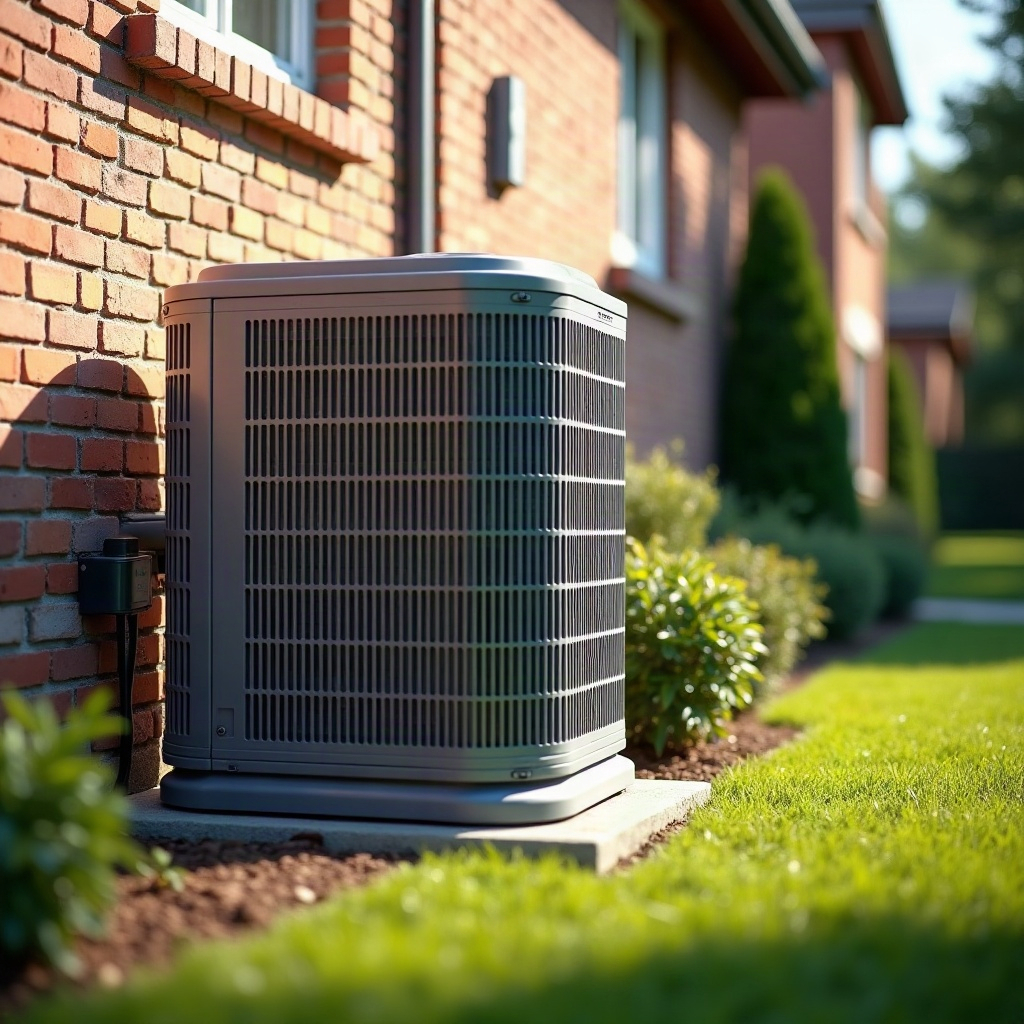
You send out a quote for an AC replacement. The homeowner says "looks good, we'll think about it." Then silence. A week goes by. Two weeks. You never hear back.
That's not a lost lead - that's money sitting in your inbox doing nothing.
Most HVAC contractors close only a fraction of their quotes on the first contact. The rest go cold. And when they go cold, they stay cold because most contractors make only a couple of follow-up attempts before giving up. If you're sending out quotes every month and not following up properly, you're leaving a surprising amount of revenue on the table - and you probably already sense that.
Here's the thing: the customer isn't saying no. They're saying "not yet." Your job is to stay in front of them until they're ready to say yes - or until they tell you clearly they've gone another direction.
This guide walks you through a proven follow-up system for unsold HVAC quotes. You'll get the exact timing, word-for-word scripts for each touchpoint, and how to handle the three objections that kill most deals. By the end, you'll have a repeatable process you can run this week.
In This Article
- Why Most HVAC Quotes Go Cold (And What It Costs You)
- How Soon Should You Follow Up on an HVAC Quote?
- The 5-Touch HVAC Quote Follow-Up Sequence
- How Do You Handle the 3 Most Common Objections?
- Tools and Systems to Track Unsold HVAC Quotes
- FAQ: Following Up on HVAC Quotes
- Setting Up Your Follow-Up System This Week
Why Most HVAC Quotes Go Cold (And What It Costs You)
When a homeowner goes silent after a quote, it's rarely because they hate your price or your company. It's usually one of three things: they're shocked at the cost and need time to process, they're still shopping around and comparing your bid to a couple of others, or they simply forgot to reply and moved on with their day.
Think about what that means for your business. If you're sending out quotes every month and closing only a quarter of them without any follow-up, you're booking a handful of jobs. But if you could bump that close rate through systematic follow-up, you'd add meaningful revenue every single month - without spending a dime on new advertising.
The reason most contractors don't capture that money is simple: they don't have a system. One tech sends a quote via email. Another sends it via text. Nobody tracks who's been followed up with or when. The quote sits in someone's inbox, and by the time anyone thinks to call back, three weeks have passed and the customer's already hired someone else.
The fix isn't complicated. It's a five-touch sequence spread across 30 days, using a mix of text, email, and phone calls. Each touch has a specific purpose. Each one moves the customer closer to a yes or a clear no. And you can run the whole thing from your phone, your field service software, or even a simple spreadsheet.
How Soon Should You Follow Up on an HVAC Quote?
The first follow-up is the most important one, and it needs to happen fast.
Every sales professional will tell you the same thing: the sooner you follow up, the better your chances. You don't always have time to call back the same afternoon you're out in the field - but you do have the next morning. A same-day or next-day follow-up is the bare minimum. Anything longer than 48 hours and you've already lost momentum.
Here's why speed matters: when a homeowner gets your quote, they're thinking about it. They're mentally comparing it to other bids. They might call another contractor that same day. If you reach out within 24 hours, you're still top of mind. If you wait a week, you're competing against quotes they've already half-forgotten about.
The timing also depends on the season. In summer, when AC calls spike, homeowners are often dealing with a broken unit right now. A 48-hour delay might mean they've already hired someone else. In winter, the urgency is similar but slightly less frantic - a furnace that's down is an emergency, but a customer shopping for a replacement has a bit more breathing room. Either way, don't wait.
Here's a simple follow-up calendar you can use:
Day 1-2: Text or email confirming the quote was received.
Day 3-4: Phone call to answer questions and offer a walkthrough of the estimate.
Day 7: Email with financing options or energy savings breakdown.
Day 14: Final check-in call or text with soft urgency (parts pricing, schedule availability).
Day 30: Long-game email - seasonal reminder or "still here if you need us" message.
This isn't aggressive. It's professional. And it works because you're giving the customer multiple ways to engage with you across different channels. Some people prefer text. Some prefer email. Some want to talk on the phone. By mixing channels, you're meeting them where they're comfortable.
The 5-Touch HVAC Quote Follow-Up Sequence
This is the system. Each touch has a clear objective and a script you can use or adapt to your voice. The goal isn't to be pushy - it's to be helpful and stay visible.
Touch 1: The Same-Day or Next-Day Confirmation
Objective: Confirm receipt, open dialogue, make it easy for them to ask questions.
Best channel: Text (if you have their number) or email.
Script (text):
"Hi Name, this is Name from [Your Company]. Got your AC estimate sent over yesterday. Just wanted to confirm you received it and let you know I'm here if you have any questions. Feel free to text or call anytime. Thanks!"
Script (email):
Subject: Your AC Estimate – Questions?
"Hi Name,
I sent over your AC replacement estimate yesterday. Just wanted to make sure it came through and that you have everything you need.
If you have any questions about the unit, the warranty, or anything else on the estimate, shoot me a text or give me a call. I'm happy to walk through it.
Talk soon, Your Name Your Company [Phone]"
This touch is short and friendly. You're not selling. You're just confirming and opening the door. Most customers won't respond, and that's fine. You're planting the seed that you're accessible.
Touch 2: The Question-Answering Call
Objective: Have a real conversation, uncover objections, offer value.
Best channel: Phone call.
Timing: Day 3-4 after sending the quote.
Script:
"Hi Name, this is Name from [Your Company]. I sent over that AC estimate a few days ago and wanted to check in. Did you have a chance to look it over? [Listen.] Great. Any questions about the unit or the price? [Listen.]"
If they say "I'm still thinking about it":
"That's totally normal. Most people want to sit with it for a bit. Here's what I'd suggest: the unit we quoted is a [brand/model], and it's a solid choice because [one specific benefit - efficiency, warranty, quiet operation]. If you want, I can walk you through the estimate line by line, or I can send over some info on financing that might help with the decision. What sounds more helpful?"
If they say "Your price is higher than another quote":
"I hear that a lot. Can I ask what the other quote was for? [Listen.] Okay, so here's the thing - sometimes a lower price means a different unit, a shorter warranty, or less experienced installation. What we're quoting is [specific unit], which comes with a [warranty length] warranty and includes [specific service - like a 10-year parts guarantee]. Over the life of the system, that usually saves you money. But I get it - price matters. Let me send you some financing options. Sometimes seeing the monthly payment instead of the total cost makes it easier to decide."
The goal here is to listen more than you talk. Most objections come from uncertainty, not from a real "no." Your job is to clarify and offer options.
Touch 3: The Value-Add Follow-Up
Objective: Remove a barrier (usually price) by showing financing or long-term savings.
Best channel: Email with a link or attachment.
Timing: Day 7.
Subject: Name, here's the financing breakdown for your AC
After we talked, I wanted to send over the financing option I mentioned. Breaking your AC replacement into monthly payments often makes the decision a lot easier - and it's usually less than most people expect.
I also attached a quick comparison showing the longer-term cost of the unit we quoted versus a cheaper option. When you factor in energy savings and fewer repairs, the premium unit usually pays for itself.
Take a look and let me know if you want to move forward or if you have more questions.
Name"
This touch is about removing the emotional sting of the price. Most homeowners don't think in terms of total cost of ownership - they think in terms of monthly payment. Show them that number, and suddenly a big job feels a lot more manageable.
Touch 4: The Soft-Urgency Check-In
Objective: Create gentle urgency without sounding pushy.
Best channel: Phone call or text.
Timing: Day 14.
Script (phone):
"Hi Name, just checking in on that AC estimate. Have you had a chance to think it over? [Listen.] I wanted to give you a heads up - we're heading into the peak of summer, and lead times on [unit model] are starting to stretch out. If you want to get this done before August, we should probably lock in a date soon. Does next week work for you?"
"Hi Name, just wanted to check in on your AC. We're booking up fast for summer, and the [unit model] you're interested in has a couple weeks of lead time right now. Want to lock in an install date? Let me know!"
The urgency here is real. In summer, equipment does take longer to arrive. Your schedule does fill up. You're not making this up - you're just being honest about the reality of the season. That's not pushy. That's helpful.
Touch 5: The Long-Game Email
Objective: Keep the door open for future consideration without being annoying.
Best channel: Email.
Timing: Day 30.
Subject: Still here when you're ready
I haven't heard from you in a few weeks, and that's totally fine. Sometimes the timing just isn't right, or you're still weighing your options.
I wanted to let you know that we're still here whenever you're ready. Whether it's this summer or next year, if you decide to move forward with that AC replacement, just give me a call or text. I'll make sure we take good care of you.
In the meantime, if you have any questions or just want to chat about your system, I'm always available.
Talk soon, Name"
This touch is the long game. You're not expecting a response. You're just keeping the relationship warm. Some of these leads will come back in three months. Some will come back in a year. By staying friendly and accessible, you're the contractor they think of when they're finally ready.
How Do You Handle the 3 Most Common Objections?
Most unsold quotes die because of one of three objections. Here's how to handle each one without discounting your price or sounding defensive.
Objection 1: "Your price is too high."
This is the most common one. The customer got a lower bid somewhere else, or they're just shocked at the total.
Your response:
"I get it. Price is important. Here's what I'd do: let's compare apples to apples. What unit did the other quote include? [Listen.] Okay, so that's a [model]. Ours is a [your model]. Here's the difference: ours comes with a [specific feature - better efficiency, longer warranty, quieter operation]. Over 10 years, that usually saves you money in energy bills and repairs. Plus, we include [specific service - like a 10-year parts warranty]. So the real question isn't which is cheaper today - it's which one costs less over the life of the system. Does that make sense?"
Then offer financing. Most price objections disappear when the customer sees the monthly payment instead of the total.
Objection 2: "We got a cheaper quote."
This is similar to objection 1, but the customer is actively comparing you to a competitor.
"That's smart - you should compare prices. Here's what I'd ask: are they quoting the same unit? Same warranty? Same installation process? [Listen.] Because sometimes a lower price means a different brand, a shorter warranty, or a less experienced installer. I can't speak to what they're offering, but I can tell you what we stand behind. We install [brand], we include [warranty], and we've been doing this for [years]. If you want to go with them, I totally understand. But if you want to compare the full package - not just the price - I'm happy to walk through it."
Never badmouth the competitor. Just focus on your value. Most customers will respect that.
Objection 3: "We're not ready yet."
This is the most honest objection. The customer isn't saying no - they're saying not now.
"That's totally fair. When do you think you might be ready? [Listen.] Okay, so let's say mid-August. How about I give you a call in early August and we can talk about scheduling? That way you don't have to remember to reach out to me. I'll reach out to you. Does that work?"
Then actually call them on that date. This turns a "not ready" into a scheduled follow-up. You've just moved them from the cold pile into your calendar.
The key to all three objections is this: ask permission to follow up on a specific date rather than leaving it open-ended. "I'll call you next week" is vague. "I'll call you on Tuesday at 2 p.m." is a commitment. Customers respect that.
Tools and Systems to Track Unsold HVAC Quotes
You can run this follow-up sequence on a spreadsheet, a napkin, or your phone. But if you're sending more than a few quotes a month, you need a system that reminds you when to follow up and tracks what you've already done.
Option 1: Simple Spreadsheet
Columns: Quote date, customer name, phone number, quote amount, follow-up dates (day 1, day 3, day 7, day 14, day 30), status (pending, contacted, objection, booked, lost).
This works if you're sending a handful of quotes a month. It's free. It's simple. The downside is you have to manually set reminders and track everything yourself.
Option 2: Field Service Software with Automation
Tools like Jobber, Housecall Pro, and ServiceTitan all include quote tracking and automated follow-up reminders. You send a quote through the software, and the system automatically sends a follow-up text or email on day 1, day 3, and day 7. You can set rules to stop the automation if the customer replies, schedules work, or books the job.
The math is straightforward: one recovered job pays for a good chunk of software. So even if you're only recovering one extra job per quarter, the tool pays for itself. According to serviceallies.com's guide to HVAC CRMs, the right platform depends heavily on your team size and how tightly you want to connect quoting, follow-up, and job scheduling - so it's worth comparing a few options before committing.
What to Track
Regardless of which system you use, track these four things:
- Quote amount
- Customer source (Google, referral, past customer, ad, etc.)
- Follow-up attempts and outcomes
- Final result (booked, lost, still pending)
Over time, you'll start to see patterns. Maybe referrals close at a much higher rate than Google leads. Maybe customers who get a financing breakdown are far more likely to book than those who don't. That data tells you where to focus your energy. As noted by fieldified.com's guide to HVAC CRM for growing teams, connecting your sales follow-ups directly to technician schedules and equipment records makes it much easier to spot these patterns and act on them quickly.
FAQ: Following Up on HVAC Quotes
How many times should you follow up on an unsold HVAC quote before giving up?
Direct Answer: Follow up at least five times over 30 days. After that, move the lead to a long-term nurture list and check in every 60-90 days.
Most sales require several touches before a customer says yes or no. If you quit after two attempts, you're leaving money on the table. But after five touches across 30 days, you've done your job. If they haven't responded by then, they're either not ready or they've gone another direction. Move them to a "check in later" list and touch base every couple of months. Some of these leads will come back.
What is the best way to follow up on an HVAC quote without being pushy?
Direct Answer: Mix channels (text, email, phone), space out your touches, and focus on being helpful rather than selling.
Pushy feels like the same message over and over. Helpful feels like you're offering something new each time. Touch 1 is a confirmation. Touch 2 is a conversation. Touch 3 is financing info. Touch 4 is a schedule update. Touch 5 is a long-term check-in. Each one has a different purpose. That's not pushy - that's professional.
Should you offer a discount when following up on an unsold HVAC estimate?
Direct Answer: No. Instead, break down the financing, show a long-term cost comparison, or offer a value-add like an extended warranty or free maintenance plan.
Discounting trains customers to wait for a lower price. It also erodes your margins. Instead, show them why your price is worth it. Most price objections disappear when you offer financing or show the long-term savings. If they still won't bite, they're probably not your customer.
How does following up on HVAC quotes compare to just running more ads for new leads?
Direct Answer: Following up on unsold quotes is far cheaper than running ads for new leads and usually closes at a higher rate.
A new lead from Google Ads costs real money. A quote you've already sent costs you nothing. If you can close even a few more of your existing quotes, you're making more money than you would spending that same time and budget on new ads. Plus, a customer who's already seen your quote and your price is more likely to book than a cold lead who's never heard of you.
What CRM or software tools help HVAC companies track unsold quotes?
Direct Answer: Jobber, Housecall Pro, and ServiceTitan all include quote tracking and automated follow-up reminders. For smaller companies, a simple spreadsheet works fine.
Each platform offers different strengths depending on your team size and budget. The best tools do more than just track quotes, they streamline customer communication, automate reminders, and give you visibility into your entire pipeline from first contact to closed job. All three major platforms integrate with your phone and send automatic reminders so you don't have to remember when to follow up. If you're just starting out, a spreadsheet is free and gets the job done. As you grow, move to software.
How long do customers typically take to decide on an HVAC quote?
Direct Answer: Most customers decide within 7-14 days. If they haven't decided by day 30, they're either still shopping or they've gone another direction.
The first week is critical. That's when they're most engaged and most likely to move forward. By day 14, most customers have either booked or moved on. By day 30, if they haven't responded to multiple touches, it's time to move them to a long-term nurture list. Some will come back in a few months when they're ready.
Setting Up Your Follow-Up System This Week
You don't need fancy software to start. You need a decision and a calendar.
Decide right now: are you going to follow up on unsold quotes, or are you going to keep leaving revenue on the table?
If you're going to do it, pick one of these two options:
- Spreadsheet: Create a simple tracker with quote date, customer name, and follow-up dates. Set phone reminders for each follow-up day.
- Field service software: Sign up for a tool like Jobber or Housecall Pro and enable their quote follow-up automation. It takes about 30 minutes to set up and saves you hours every month.
Pick one. Start this week. By next month, you'll have recovered at least one job you would have otherwise lost. By the end of the year, you'll have recovered several jobs - real revenue from a system that costs you nothing but a little discipline.
The quotes are already in your inbox. The customers are already interested. All you're doing is staying in front of them until they're ready to say yes.