HVAC Recruiting: How to Hire Technicians in 2026
Struggling to find HVAC techs? This covers what to pay, where to post jobs, how to screen candidates, and how to keep the ones you hire.
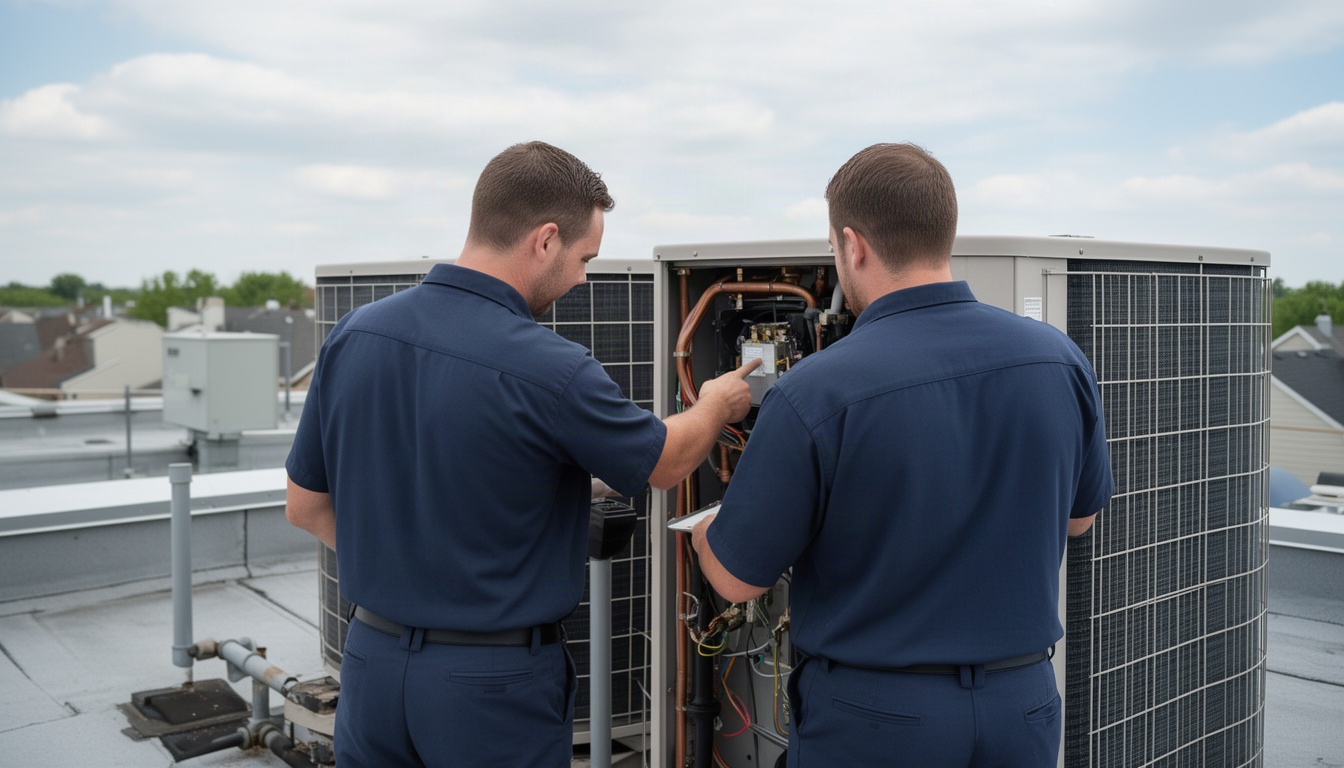
You've got three trucks rolling and a waiting list that keeps growing. But here's the problem: you can't find the technicians to fill them.
HVAC recruiting in 2026 isn't what it was five years ago. The labor market has shifted hard. Experienced techs have options, apprentices are scarce, and the contractors who know how to compete are the ones filling their rosters while others stay short-staffed.
This guide walks you through the entire HVAC recruiting funnel - from what to pay, where to find candidates, how to screen them fast, and how to keep the good ones once you hire them. By the end, you'll have a playbook you can start using this week.
Why Is HVAC Recruiting So Hard Right Now?
The short answer: demand is outpacing supply, and the gap keeps widening. According to industry data, about 40,100 HVAC openings are projected every year through 2034, with employment growing much faster than the average for all occupations.
A lot of the guys who've been in the trade for two decades or more are hitting their exit point. They're retiring, and there simply aren't enough younger technicians coming up behind them to fill those seats. Trade school enrollment has been flat or declining in many regions, so the pipeline of new techs isn't keeping pace with what the industry actually needs. The Access Group's overview of the technician shortage explains that roughly 110,000 unfilled positions exist nationwide, with experts predicting the gap could reach 225,000 vacant positions within five years.
The result: you're competing harder than ever for every technician you want to hire. And if you're a small-to-mid-sized shop, you can't outbid the national chains on base salary alone.
The good news? You don't have to. The contractors winning at HVAC recruiting right now, as ServiceTitan's HVAC recruiting guide discusses, aren't the ones with the deepest pockets. They're the ones with a system.
What Should You Pay an HVAC Technician in 2026?
Let's start with the number everyone wants to know: what's the market rate?
Nationally, the median HVAC technician wage sits somewhere in the upper-$20s per hour, with experienced techs in high-demand markets earning well above that. But the national median is just a starting point. Your actual market depends heavily on where you are.
States like Alaska, Massachusetts, and Illinois tend to run higher. Sun Belt states like Texas, Florida, and Arizona have high demand but often lower median wages, which means you might find candidates at a reasonable rate but face stiff competition for the best ones.
Here's what really matters, though: most owners think about pay as just the hourly rate. That's a mistake. Experienced technicians think about total compensation.
Here's a real example:
Say you're offering a journeyman tech a solid hourly wage. That number matters, but a tech doesn't stop there. They're also thinking about:
- Truck allowance or company vehicle
- Health insurance
- Tool allowance or replacement
- Paid time off
- Overtime opportunities
Add those up and your hourly offer looks a lot more competitive than the raw number suggests. That's a very different conversation than just quoting a wage.
Here's a wage tier breakdown by experience level:
- Apprentice/Helper: Entry-level, learning on the job. Expect to pay in the mid-to-upper teens per hour.
- Journeyman: Certified, can work independently, a few years of solid experience. This is your mid-range hire.
- Lead/Senior Tech: Mentors others, handles complex diagnostics, may manage a route. Your top-of-market hire.
These ranges shift by region. In high-cost metros like Boston, San Francisco, or Seattle, you'll need to pay more. In lower-cost rural areas, you have a little more room.
The real recruiting insight: don't just post an hourly rate. Post the total package. A tech who sees a wage plus a truck plus health insurance plus a tool allowance is far more likely to apply than one who sees a number sitting alone on the page. Benefits-forward job postings consistently draw more applicants and better ones.
One more thing: flat-rate vs. hourly. If you run flat-rate, say so. Some experienced techs love it because of the higher earning potential. Others hate the income unpredictability. Experienced techs will ask about this during interviews, so be clear upfront. It affects who applies.
How to Build an HVAC Recruiting Funnel That Actually Fills Roles
Most owners think recruiting is just posting a job and waiting for applications. That's why they're stuck.
Real HVAC recruiting is a funnel. You need candidates flowing in at the top, and you need a system to move the right ones through to a hire. The contractors who consistently fill roles treat recruiting as an ongoing process - not a one-time scramble when a truck sits empty.
Here's the funnel:
Stage 1: Awareness → You get in front of candidates who might be interested.
Stage 2: Application → They apply for your job.
Stage 3: Screen → You talk to them, verify their skills, check their background.
Stage 4: Offer → You make an offer to the best candidate.
The mistake most owners make is spending all their energy on Stage 1 (posting the job) and almost none on Stage 3 (screening). Then they hire the wrong person, waste three weeks training them, and start over.
Let's walk through each stage.
Where to Find HVAC Technician Candidates
Rank these channels by volume and quality:
1. Indeed. This is your primary channel. Most HVAC techs search Indeed first. Post your job with a salary range, truck policy, and schedule clearly stated. Refresh your posting every 7 days to keep it near the top of search results.
2. Employee referrals. Your current techs know other techs. Offer a referral bonus for a hire that lasts 90 days. This is the highest-quality source because your existing team is pre-screening for culture fit.
3. Trade school partnerships. Lincoln Tech, Universal Technical Institute, and community colleges all have HVAC programs. Contact the career services office at schools within 50 miles of your service area. Offer to speak to graduating classes or host a job fair. You'll meet apprentices and recent grads before they're on the open market.
4. Facebook and Instagram. Post your job opening on your business page and in local community groups. Blue-collar workers are active on Facebook. This is especially effective for apprentice and entry-level roles.
5. Registered Apprenticeship programs. The U.S. Department of Labor runs Registered Apprenticeship programs for HVAC. You can hire an apprentice, pay them a lower starting wage, and they earn while they learn. It's a long-term play, but it builds loyalty and you're developing your own talent.
6. HVAC-specific job boards. Beyond the major generalist platforms, there are boards built specifically for the trades. Sites like HVACJobsHQ and HVAC Jobs Center are smaller but draw applicants who are specifically looking for trade work rather than scrolling through general listings.
7. RSES chapters. The Refrigeration Service Engineers Society has local chapters. These are experienced commercial HVAC/R techs, often overlooked by residential contractors. If you do any commercial work, this is a goldmine.
Writing Job Postings That Attract Experienced Technicians
Here's the difference between a posting that gets a handful of applications and one that gets a flood of qualified ones.
Bad posting:
"HVAC Technician needed. Must have experience. EPA 608 required. Apply online."
Good posting:
"Journeyman HVAC Technician – $28–$32/hour + truck allowance + health insurance
We're a 5-truck residential HVAC shop in City looking for a journeyman tech to join our team. You'll work Monday–Friday, 7am–4pm, with on-call rotation 1 week per month (paid premium).
What we need:
- EPA 608 Universal certification (required)
- NATE certification preferred
- 3+ years hands-on experience
- Valid driver's license, clean MVR
- Comfortable with diagnostic work and customer communication
What we offer:
- $28–$32/hour based on experience
- Company truck + monthly allowance if you use your own
- Full health insurance, 10 PTO days
- Annual tool allowance
- Paid training for new equipment
If this sounds like you, apply here with your resume and certification copies."
See the difference? The good posting tells the candidate exactly what the job is, what you're paying, what you expect, and what they get. It attracts serious candidates and filters out people who aren't a fit.
Your job posting checklist:
- Salary range visible (not "competitive")
- Truck/vehicle policy stated (company truck, allowance, or your own)
- Schedule clearly listed (hours, days, on-call expectations)
- Required certifications (EPA 608, NATE, etc.)
- Years of experience expected
- Benefits summary (health, PTO, tool allowance, training)
- How to apply (email, online form, phone number)
- Your company name and location
Post this on Indeed, refresh it every 7 days, and you'll see a difference in volume and quality within two weeks.
Using Trade Schools and Apprenticeship Programs as a Pipeline
Most small HVAC shops never contact trade schools. That's a missed opportunity.
Here's how to do it:
Step 1: Find HVAC programs near you. Google "HVAC trade school city" or check your state's community college system. Call the career services office.
Step 2: Ask if they have an employer partnership program. Many schools will let you post jobs, speak to classes, or host a job fair.
Step 3: Offer to mentor a student or hire an apprentice. If you go through a Registered Apprenticeship program, you can bring someone on at a lower starting wage while they earn their certification. It takes a few years, but you're building a tech from scratch and they tend to stick around because you invested in them.
Step 4: Attend graduation events. Meet the students, hand out your card, and tell them you're hiring.
The tradeoff is straightforward: an apprentice costs you less upfront, but you're training them. An experienced journeyman costs more but is productive almost immediately. Most shops need both. Use trade schools for long-term pipeline building and Indeed for immediate hires.
How Do You Screen and Interview HVAC Technicians Effectively?
This is where most owners lose money. Poor screening is a leading reason home service companies struggle to find and keep techs. You get a stack of applications. You pick a few to interview. You hire one. Two weeks later, you realize they can't diagnose a simple refrigerant leak and they're not answering their phone. You've burned weeks of time, lost billable revenue, and you're back to square one. Screening matters.
Here's what to verify before you interview:
- EPA 608 certification. Call ESCO Institute or check NATE's database. Don't take their word for it. Fake certifications exist.
- NATE certification (if required). Search the NATE credential holder database at natex.org. It's free and takes 30 seconds.
- Driver's license and MVR. Your insurance company requires this. Run an MVR check through a service like LexisNexis or your insurance broker. Major violations are red flags.
- Background check. Use a service like Checkr or GoodHire. EEOC guidance says you need to assess criminal history on a case-by-case basis - no blanket exclusions. But certain convictions are relevant to a job where you're in customers' homes.
Red flags during the phone screen:
- Vague about their work history ("I've worked at a few places")
- No certifications after years in the field
- Defensive about why they left their last job
- Can't explain a technical concept clearly
- Evasive about availability or schedule
Your phone screen script (5 key questions):
- "Walk me through the last service call you did. What was the problem and how did you diagnose it?"
- "Tell me about a time you had to explain a repair to a customer who didn't want to pay. How did you handle it?"
- "What's your experience with specific equipment you use - Lennox, Carrier, etc.?"
- "Why did you leave your last job?"
- "What's your availability? Are you comfortable with on-call rotation?"
Listen for specifics. A good tech will describe the call in detail. A weak candidate will be vague.
The practical skills test:
If they pass the phone screen, bring them in for a paid ride-along day. Have them shadow one of your techs on a real service call. Watch how they interact with the customer, how they approach the diagnosis, whether they ask good questions. This tells you more than any interview.
Interview questions (technical + culture fit):
Technical:
- "What's the difference between a TXV and a fixed orifice metering device?"
- "How do you check for a refrigerant leak?"
- "Walk me through a no-cool diagnosis."
Culture fit:
- "What does good customer service look like to you?"
- "Tell me about a time you made a mistake on a job. How did you handle it?"
Retention Is Part of Recruiting: How to Stop Losing Techs You Hired
Here's the hard truth: if you don't keep the techs you hire, you're just spinning your wheels.
Replacing an HVAC technician is expensive when you factor in recruiting, training, and lost billable revenue. And if you're cycling through techs every year and a half, that cost adds up fast.
The top reasons HVAC techs leave:
- Pay below market. They get an offer from a competitor and take it.
- Poor dispatch. They're sitting in traffic for hours because routes aren't optimized.
- Aging equipment. They're driving a beat-up van with no GPS and a broken AC.
- No advancement. They see no path to lead tech or management.
- Bad management. They're micromanaged, blamed for things outside their control, or disrespected.
You can't fix all of these overnight. But you can fix most of them. The point worth remembering is that retention starts before the hire - how you present your company, your culture, and your advancement path during recruiting directly affects whether good techs stick around after they start.
Your 90-day onboarding checklist:
- Week 1: Ride-along with a senior tech on a few calls. Learn your systems, customer base, and procedures.
- Week 2–3: Paired calls. They lead, senior tech shadows and coaches.
- Week 4–6: Independent calls with check-ins. They handle the call, report back daily.
- Week 7–12: Full independence with weekly check-ins. Introduce them to your dispatch system, billing, and customer feedback loop.
- Day 90: Formal check-in. Discuss performance, pay, and next steps.
Techs who go through a structured onboarding stay longer. It's that simple.
Low-cost retention levers:
- Tool allowance. Techs care about their tools. Let them buy what they want within a reasonable annual budget.
- Training budget. A few hundred to a couple thousand dollars a year for certifications, equipment training, or conferences shows you're investing in them.
- Flexible scheduling in shoulder season. Winter and summer are busy. Spring and fall are slow. Let techs take a Friday off in April if they want. They'll work the overtime in July.
- Dispatch optimization. Use routing software to cut drive time. A tech who spends more hours on calls and fewer hours stuck in traffic is a happier tech.
- Clear advancement path. Tell them: "In two years, if you want to be a lead tech, here's what that looks like."
One more thing: your business systems matter. If your techs are spending a chunk of their day on paperwork, they're frustrated. If your scheduling is chaotic, they're stressed. These aren't recruiting problems - they're operational problems. But they drive turnover just the same.
LocalRestart helps HVAC owners set up systems so techs spend less time on admin and more time on billable work. That alone reduces turnover.
Frequently Asked Questions About HVAC Recruiting
How much does it cost to recruit an HVAC technician?
Direct Answer: When you factor in job posting, your own time, background checks, and the lost productivity during onboarding, recruiting a single technician can easily run into the thousands of dollars.
If you use Indeed, your out-of-pocket posting costs are relatively modest. If you use a recruiting agency, expect to pay a meaningful percentage of the tech's first-year salary. The real cost, though, is your time and the lost revenue while someone new is ramping up. A tech typically takes several weeks to reach full productivity.
Where is the best place to post HVAC technician jobs?
Direct Answer: Indeed is the top source for HVAC technician hires, followed by employee referrals and trade school partnerships.
Post on Indeed first. Refresh your posting every 7 days. Use Facebook and Instagram as secondary channels. If you want to reach experienced commercial techs, post on RSES boards. Trade schools are your long-term pipeline - contact them even if you don't have an immediate opening.
Should I hire an HVAC apprentice or an experienced technician?
Direct Answer: You need both. Hire experienced techs for immediate capacity. Hire apprentices for long-term pipeline and loyalty.
An experienced journeyman is productive within the first couple of weeks. An apprentice takes several years to fully develop but costs less upfront and is more likely to stay because you invested in them. If you're growing, hire one experienced tech now and one apprentice through a Registered Apprenticeship program. In a few years, you'll have two productive techs instead of one.
How long does it take to fill an HVAC technician position?
Direct Answer: Skilled trades roles typically take six weeks or more to fill, and HVAC roles often run longer because of certification requirements.
If you post on Indeed today, you'll get applications within a few days. Phone screens take a week or two. Ride-alongs and interviews take another week or two. Background checks take a few days. Then there's the gap between offer and first day. Plan for roughly six weeks from posting to someone showing up for work.
What certifications should I require when hiring HVAC techs?
Direct Answer: EPA Section 608 Universal certification is required by federal law if they handle refrigerants. NATE certification is preferred but not required.
EPA 608 is non-negotiable - it's a federal requirement. NATE is the industry's leading credential and signals a tech has passed a rigorous exam. If you're hiring a journeyman, NATE is a strong quality indicator. For apprentices, they won't have it yet, and that's fine. They'll earn it as they progress.
How do I compete with larger HVAC companies on pay?
Direct Answer: You can't outbid national chains on base salary. Instead, compete on culture, advancement, and flexibility.
A tech might take a dollar or two less per hour to work for a small shop where they know the owner, have a clear path to lead tech, and aren't treated like a number. Emphasize this in your recruiting. Also, offer things big companies don't: flexible scheduling, tool allowances, training budgets, and the chance to actually build something. Experienced techs value autonomy and respect more than they value a slightly bigger paycheck.
What is the HVAC technician turnover rate?
Direct Answer: Industry data suggests HVAC technician turnover runs higher than many other trades - somewhere in the range of one in five to one in four techs per year.
That means if you have ten techs, you're likely replacing two or three every year. The cost is real. Even a modest improvement in your retention rate saves you a significant amount annually. That's why keeping good techs matters just as much as finding them.
The Bottom Line
HVAC recruiting in 2026 is hard because the labor market has shifted. But it's not impossible. The contractors winning right now are the ones with a system.
You need to know what to pay (total compensation, not just hourly rate). You need to know where to find candidates (Indeed first, trade schools second, referrals always). You need to screen properly (verify certifications, run background checks, do a ride-along). And you need to keep the good ones (90-day onboarding, clear advancement, low-cost retention levers).
Start this week: post a job on Indeed with a salary range and benefits listed. Refresh it every 7 days. Call a trade school near you and ask about their employer partnership program. Offer your current techs a referral bonus for a hire that lasts 90 days.
Do those three things and you'll see a difference in your applicant quality and hiring speed within a month.