Text Message Marketing for Small Business: What to Know
Find out what SMS marketing costs, which platforms work best, and how to launch your first campaign as a small business owner.
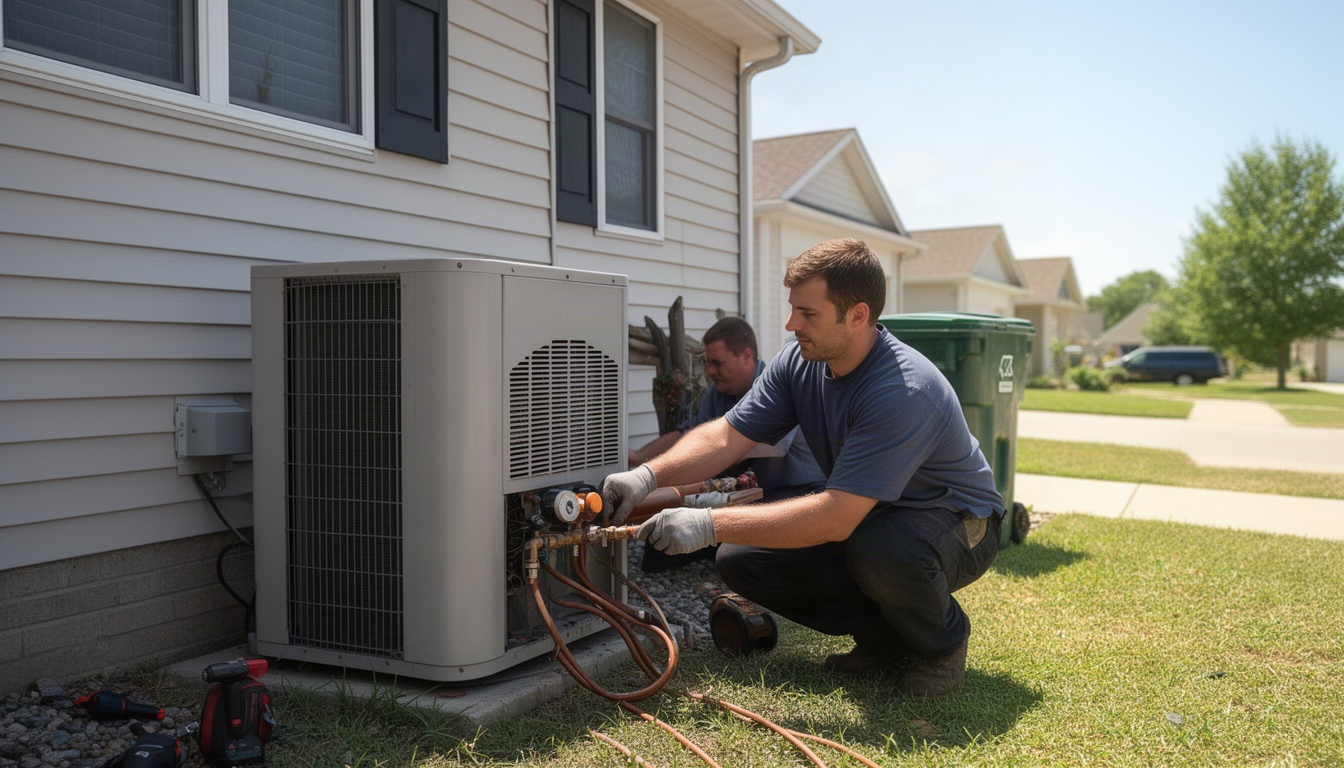
You've got a slow week. Your HVAC crew is sitting around. Your roofing schedule has a gap. Your pest control route has cancellations. You know your past customers would book again if they just remembered you exist - but you're not going to call 200 people. That's where text message marketing comes in. (Fcc.gov) (House.gov)
Here's the straight truth: text messages get opened almost every single time. Email sits in the inbox unopened. A phone call gets ignored. But a text? Your customer sees it in seconds. And if you send the right message at the right time, they book. No sales pitch. No office work. Just a simple offer that fills your schedule.
This guide walks you through what text marketing actually costs, which platforms work for small trades, how to stay legal, and exactly how to launch your first campaign this week.
What Is Text Message Marketing and Why Does It Work?
Text message marketing is sending promotional or informational messages to customers who've opted in to receive them. That's it. No fancy automation required at first. You build a list, you send a message, people respond.
The reason it works is brutal simplicity: texts get read. Your customer sees it within minutes. Compare that to email, which most people never open at all. The math strongly favors the text.
For a roofing company, a message might say: "Spring storm damage? We're booking free inspections this week. Reply YES or call 555-0123." For an HVAC tech: "Your AC hasn't been serviced in a while. Spring tune-up special: text TUNE to book." For pest control: "Winter's over. Quarterly pest plan members get a discount on April service. Reply PLAN to renew."
Real-world use cases:
Flash sale or time-sensitive offer. You've got an open slot Thursday. Text your past customers: "One opening Thursday at 2 PM for AC service. $50 off if you book by noon. Reply YES." Even a modest response rate from a few hundred people can fill your calendar fast. If you text past customers a compelling offer, a handful of bookings more than justifies the effort.
Appointment reminder. You scheduled a customer for a roof inspection next Tuesday. Send a text Monday: "Roof inspection tomorrow at 10 AM. Reply CONFIRM or call 555-0123." Appointment reminders meaningfully cut down on no-shows. One missed job costs you more than a year of text platform fees.
Loyalty reward or re-engagement. Your best customers haven't called in six months. Text them: "Loyal customer special: $25 off your next service. Valid through end of month. Reply REDEEM." It costs you almost nothing to send. If one customer books, you've paid for the platform for the month.
The key is this: you're not spamming strangers. You're texting people who already know you, already bought from you, and already trust you. They want to hear from you - they just forgot you existed.
How Much Does SMS Marketing Cost for a Small Business?
Here's what owners ask first: "How much is this going to cost me?"
For a small business, text message marketing typically runs somewhere between a couple of cups of coffee and a modest dinner out each month, depending on how many customers you text and how often. Most trades starting out land comfortably on the lower end of that range.
Let me break down the math so you see exactly what you're paying for.
The cost has two parts: the platform fee and the message credits.
Say you've got several hundred past customers in your phone. You want to send them a message four times a month (one per week, roughly). At a penny per message - the standard rate - here's the math:
Several hundred customers × 4 sends per month × $0.01 per message = modest message credits
Then add the platform fee. Most entry-level platforms charge around $25 to $39 per month. So your total is roughly $45 to $59 per month.
That's less than one service call. One booked appointment from your texts pays for the entire month.
Here's a pricing snapshot of the main platforms small businesses use:
| Platform | Starting Price | Contacts Included | Per-Message Cost | Best For |
|---|---|---|---|---|
| EZTexting | $25/month | 500 | $0.01 | Budget-conscious, simple campaigns |
| SimpleTexting | $39/month | 500 credits | $0.01 | Two-way conversations, customer replies |
| SlickText | $29/month | 500 texts | $0.01 | No contracts, easy setup |
| Textedly | $26/month | 1,200 texts | $0.01 | High volume, small list |
| Klaviyo SMS | $15/month (add-on) | Varies | $0.01–$0.03 | E-commerce, automated flows |
Hidden costs to know about:
- 10DLC registration: If you're sending more than a few hundred texts, carriers require you to register your business number. This costs a few dollars a month but ensures your messages actually get delivered. Without it, carriers may block your texts entirely.
- Toll-free number verification: If you use a toll-free number instead of a local number, there's a separate verification process with a similar small monthly fee.
- Keyword add-ons: Want customers to text "ROOFING" to opt in? Some platforms charge extra per keyword. Budget a few dollars if you want more than two.
The break-even math is simple:
One recovered appointment equals one real job. Your monthly platform cost is modest. So you need just one booked appointment per month to break even - and most owners get several from a single campaign send.
If you're an HVAC company and you send a spring tune-up text to a few hundred past customers, and even a small percentage book, you've covered your platform cost many times over. That's why text marketing works for small businesses. The cost is trivial compared to the revenue.
Best SMS Marketing Platforms for Small Businesses (2026)
You don't need a complicated platform. You need one that's affordable, easy to use, and actually gets your messages delivered. Here are the five platforms most small trades use.
EZTexting ($25/month, 500 contacts)
EZTexting is built for small business owners who want simplicity. You upload a contact list, write a message, hit send. No learning curve. The platform includes unlimited keywords (so customers can text "HVAC" or "ROOFING" to opt in), MMS support (pictures and video), and basic automation. It integrates with QuickBooks and Zapier if you want to get fancy later. Most owners appreciate the US-based customer support - you can actually call someone. Best for: owners who want to start this week without sitting through a tutorial.
SimpleTexting ($39/month, 500 credits)
SimpleTexting is stronger if you want two-way texting. Customers reply to your message, and you see their replies right in the platform. This matters for service businesses because customers often text back questions: "Can you come Thursday?" "What time?" You can reply without leaving the app. It also has solid automation - send a follow-up if someone doesn't reply within 24 hours, for example. Best for: HVAC, plumbing, and roofing companies that want to handle customer conversations in one place.
SlickText ($29/month, 500 texts)
SlickText is the budget pick. It's $29 per month with no contracts and a free trial. The interface is clean. Setup takes about ten minutes. You get two keywords included, and unused texts roll over to the next month. The main limitation is it's simpler than SimpleTexting - less automation, fewer integrations. But if you just want to send a weekly offer to your past customers, SlickText does the job. Best for: owners on a tight budget who want to test SMS before committing.
Textedly ($26/month, 1,200 texts)
Textedly gives you the most texts per dollar. For $26, you get enough texts to send four messages to 300 customers. It includes one keyword, two-way texting, and basic reporting. The platform is less polished than SimpleTexting, but it works. Best for: pest control and landscaping companies with smaller subscriber lists but frequent sends.
Klaviyo SMS ($15/month add-on, varies by volume)
Klaviyo is the SMS add-on to Klaviyo's email platform. If you're already using Klaviyo for email marketing, SMS integrates seamlessly. You can automate things like: send a text when someone abandons a quote, send a reminder before their appointment, send a review request after service. Pricing scales with your contact list. Best for: e-commerce and service businesses already in Klaviyo's ecosystem.
The honest verdict:
For most small trades, start with SlickText or EZTexting. Both are affordable, both work, both have good support. If you want to handle customer replies inside the platform, go SimpleTexting. If you're already in Klaviyo, add SMS there.
Don't overthink it. Pick one, set it up, send your first campaign this week. You can always switch platforms later.
How to Stay Compliant with SMS Marketing Laws
Here's where most owners get nervous: "Am I going to get sued?"
The short answer: no, if you follow the rules. The rules are simple. Break them, and you're liable for hundreds to thousands of dollars per text message. That adds up fast.
The main rule: TCPA (Telephone Consumer Protection Act) requires written consent before you send marketing texts.
Written consent means your customer explicitly said yes. It can be a checkbox on your website, a text reply ("Text YES to opt in"), a form they signed, or even a verbal agreement you documented. But you need proof they said yes.
You cannot buy a list of phone numbers and text them. You cannot text someone because they called your business once. You need active, documented consent.
Here's your compliance checklist:
- Get written opt-in consent. Before you text someone, they must opt in. The most reliable collection methods include opt-in keywords, online forms, QR codes, and in-person sign-ups - or a mix of whatever works best for your business. This can happen on your website ("Text DEALS to 55555 to get offers"), in your shop ("Sign up for texts at checkout"), or via a QR code on your invoice. Document it.
- Include a clear disclosure in your opt-in message. When someone texts to opt in, send them a confirmation that says: "You're signed up for LocalRestart texts. Up to 4 msgs/month. Msg & data rates may apply. Reply STOP to unsubscribe." This tells them what they're getting into.
- Provide an easy opt-out. Every marketing text must include "Reply STOP to unsubscribe" or similar. If someone texts STOP, remove them immediately. Platforms do this automatically, but verify it's working.
- Respect quiet hours. Don't send marketing texts before 8 AM or after 9 PM in the recipient's time zone. Transactional texts (appointment confirmations, receipts) are okay anytime, but promotional texts need to respect sleep hours.
- Keep records. Save proof of consent for at least two years. If you ever get audited, you need to show that the person opted in.
- Avoid SHAFT content. Carriers block messages about Sex, Hate, Alcohol, Firearms, and Tobacco. If you're in one of those industries, you'll need special approval. Most home service trades don't hit this, but it's worth knowing.
Real opt-in copy that works:
"Text SPRING to 55555 for exclusive HVAC offers from LocalRestart. Up to 4 msgs/month. Msg & data rates may apply. Reply STOP to cancel."
That's it. Clear, compliant, and it gets people to opt in.
The fine risk is real.
TCPA violations carry serious per-text damages, and if the violation is considered willful - meaning you knew the rules and ignored them - the number gets even higher. Each text is a separate violation. Class action lawsuits happen. This is not theoretical.
But here's the good news: if you follow the checklist above, you're fine. Compliance is not hard. It's just discipline.
How to Launch Your First SMS Campaign in 5 Steps
You can have your first campaign live in 48 hours. Here's how.
Step 1: Choose a platform and register your number.
Pick one of the platforms above. Sign up for a free trial (most offer two weeks). You'll need to register your business number or request a toll-free number. This takes 24–48 hours for carriers to approve. Start this today.
Step 2: Build your opt-in list.
You already have customers. Start collecting their phone numbers if you don't have them. Add a text opt-in to your website: "Text OFFERS to 55555 for exclusive deals." Put a QR code on your invoices and in your shop. Ask customers verbally: "Can I text you about seasonal specials?" Most will say yes.
For your first campaign, use the customers you already have. If you've done 50 jobs in the past year, you have 50 phone numbers. That's enough to start.
Step 3: Segment by customer type (optional but smart).
If you've got time, split your list into groups. Past customers who haven't called in six months or more (re-engagement). Customers who called recently (loyalty reward). New customers (welcome offer). You don't need fancy segmentation - just two or three groups. Send different messages to each.
Step 4: Write your message.
You've got 160 characters. That's one text message. Here's a real example for an HVAC company:
"Spring AC tune-up special: $89 (normally $129). Book by Friday. Reply YES or call 555-0123. Msg & data rates may apply. Reply STOP to opt out."
That's 157 characters. It has a clear offer, a deadline, a call to action, and the compliance line.
Here's one for a roofing company:
"Free roof inspection + hail damage assessment. Schedule this week. Reply INSPECT or call 555-0123. Msg & data rates may apply. Reply STOP to opt out."
That's 150 characters.
And one for pest control:
"Spring pest plan renewal: 20% off quarterly service. Valid through April 30. Reply RENEW or call 555-0123. Msg & data rates may apply. Reply STOP to opt out."
That's 158 characters.
Keep it short. One offer. One call to action. No fluff.
Step 5: Schedule, send, and measure.
Upload your contact list to the platform. Write your message. Choose a send time - mid-morning on a Tuesday or Wednesday tends to work well. Hit send.
Then watch what happens. The platform will show you:
- Open rate: How many people saw it (should be very high).
- Click-through rate: How many people tapped the link or replied.
- Opt-out rate: How many people unsubscribed (should be under 3%).
- Replies: How many people texted back.
If your click-through rate is low, your offer wasn't compelling or your timing was off. Try again next week with a different message.
If your opt-out rate is above 3%, you're sending too often or your audience doesn't want what you're offering. Adjust.
This is not complicated. Send, measure, adjust. That's the whole game.
SMS Campaign Examples That Drive Results
Here are five message templates you can copy and customize for your business. Each includes the character count so you know it fits in one text.
Template 1: Flash Sale (Retail / Service)
"Limited time: $50 off service this week only. Book by Friday. Reply YES or call 555-0123. Msg & data rates may apply. Reply STOP to opt out."
Character count: 146. Time-sensitive offers with a clear deadline tend to get strong responses - people act when they know the window is closing.
Use this when you have an open slot or inventory you need to move fast. The deadline is critical.
Template 2: Appointment Reminder (Service Trades)
"Reminder: Your service appointment is tomorrow at 2 PM. Reply CONFIRM or call 555-0123 if you need to reschedule. Msg & data rates may apply."
Character count: 138. Expect a solid confirmation rate, and noticeably fewer no-shows.
Send this the day before an appointment. It's not a promotional text, and it saves you money by preventing missed jobs.
Template 3: Loyalty Reward (Repeat Customers)
"You're a valued customer. $25 off your next service. Valid through [date]. Reply REDEEM or call 555-0123. Msg & data rates may apply. Reply STOP to opt out."
Character count: 138.
Use this for customers who haven't called in three to six months. It's a gentle re-engagement that reminds them you exist and gives them a reason to call.
Template 4: Review Request (After Service)
"Thanks for choosing us! Please leave a review: [short link]. Takes 2 minutes. Reply DONE when complete. Msg & data rates may apply. Reply STOP to opt out."
Character count: 138. Review requests via text get far more responses than the same ask sent by email.
Send this within a couple of hours of completing a job, while the customer is happy and the experience is fresh.
Template 5: Seasonal Offer (Recurring Service)
"Spring cleaning special: 15% off quarterly pest service. New customers welcome. Book now: [link]. Reply BOOK or call 555-0123. Msg & data rates may apply. Reply STOP to opt out."
Character count: 158.
Use this at the start of your busy season to fill your schedule with recurring customers.
Real-world ROI example:
You send Template 1 (flash sale) to several hundred past customers. The vast majority open it within minutes. A meaningful slice click or reply. Of those, a good portion book. At a typical service ticket price, a single campaign send can easily generate many times what you spent on it. That's not theoretical - that's what happens when you text the right offer to the right people at the right time.
Frequently Asked Questions
Is text message marketing legal for small businesses?
Direct Answer: Yes, if you have written consent from customers and follow TCPA rules. It's illegal only if you text people who didn't opt in.
The Telephone Consumer Protection Act (TCPA) requires prior express written consent before sending marketing texts to cell phones. That consent can be a checkbox on your website, a text reply, a form, or documented verbal agreement. Opt-in keywords and short codes are among the most reliable ways to collect and document that consent. As long as you have proof the person said yes, you're legal. The fines for texting without consent are steep, so compliance matters. But for small businesses following the rules, SMS is one of the safest marketing channels available.
How much does SMS marketing cost per month for a small business?
Direct Answer: Typically somewhere in the range of $25–$80 per month for small businesses with a few hundred to a thousand customers.
The cost breaks into two parts: platform fee (roughly $25–$39/month) and message credits (about a penny per text). If you send a few hundred texts per month, the credits add only a few dollars on top of the platform fee. One booked appointment pays for the entire month, so the return is almost always positive if you're sending relevant offers to past customers.
Which SMS marketing platform is best for a small business on a budget?
Direct Answer: SlickText ($29/month) or EZTexting ($25/month) are the most affordable options with no contracts.
Both platforms include 500 texts per month, a couple of keywords, and basic automation. SlickText has a free trial and no setup fees. EZTexting has slightly better customer support. If you want two-way texting - where customers can reply and you see it all in one place - SimpleTexting ($39/month) is worth the small extra cost. For most trades starting out, SlickText is the best value.
How do I build an SMS subscriber list from scratch?
Direct Answer: Start with customers you already have, then add new subscribers through opt-in channels.
Use the phone numbers from past invoices, service tickets, or your CRM. Reach out to ask permission and document their yes. Then add new opt-in channels: a text-to-join keyword on your website ("Text OFFERS to 55555"), a QR code on your invoices, a sign-up sheet in your shop, or a verbal ask at checkout. Most customers will opt in if you explain they'll get exclusive offers. When you ask directly, a healthy share of your existing customers will say yes.
What is a good opt-out rate for SMS marketing?
Direct Answer: Under 3% per campaign is healthy. Above 5% signals a problem.
If your rate climbs above 5%, your message probably wasn't relevant, you're sending too often, or your audience doesn't match your offer. Adjust your message or send frequency and try again. Opt-out rates above 10% mean you're texting the wrong people or sending content that feels spammy - stop and rethink your strategy.
How does SMS marketing compare to email marketing for small businesses?
Direct Answer: SMS gets opened almost universally; email gets opened by a fraction of recipients. SMS is faster and more personal, but email is better for longer content.
Text messages are read within minutes. Emails sit in the inbox for days. SMS click-through rates run noticeably higher than email for the same offer. But SMS is limited to 160 characters, so you can't tell a long story. Email is better for detailed information, newsletters, or educational content. For small businesses, use SMS for time-sensitive offers and appointment reminders, and email for longer-form content. Many owners use both: email for the story, SMS for the call to action.
What are the character limits and rules for marketing text messages?
Direct Answer: Standard SMS is 160 characters per message. Messages longer than 160 characters split into multiple texts and are billed separately.
If you use emoji or non-Latin characters, the limit drops significantly per segment. MMS (picture messages) supports longer text and images but costs more per send. For marketing, keep it under 160 characters so it sends as one text. Every character counts: "Reply STOP to opt out" is 20 characters, so budget for it. Use short links to save space. Most platforms show your character count as you type, so you'll know when you're over.
The Real Reason Text Marketing Works for Small Businesses
You're not trying to reach strangers. You're texting people who already know you, already bought from you, and already trust you. They're not annoyed by a text from you - they're relieved to hear from you because it reminds them you exist.
That's the whole game. When your schedule has slow weeks, you text past customers a simple offer. They see it in seconds. They book. You fill your schedule without cold calling, without ads, without hiring more office staff.
The compliance is straightforward. The cost is trivial. The platforms are easy. The only thing stopping you is starting.
If you want to set this up yourself, pick a platform this week, upload your customer list, and send your first campaign. You'll see results in 48 hours.
If you want it done for you, LocalRestart handles the whole thing: we build your opt-in list, write compliant messages, send campaigns on your schedule, and track which ones drive bookings. You just show up and do the work.
Either way, text marketing is the fastest way to fill a slow week. Start this week.