How to Find Good Employees for Your Small Business
Struggling to find reliable workers? This article covers where to post, how to screen fast, and how to keep good employees once you hire them.
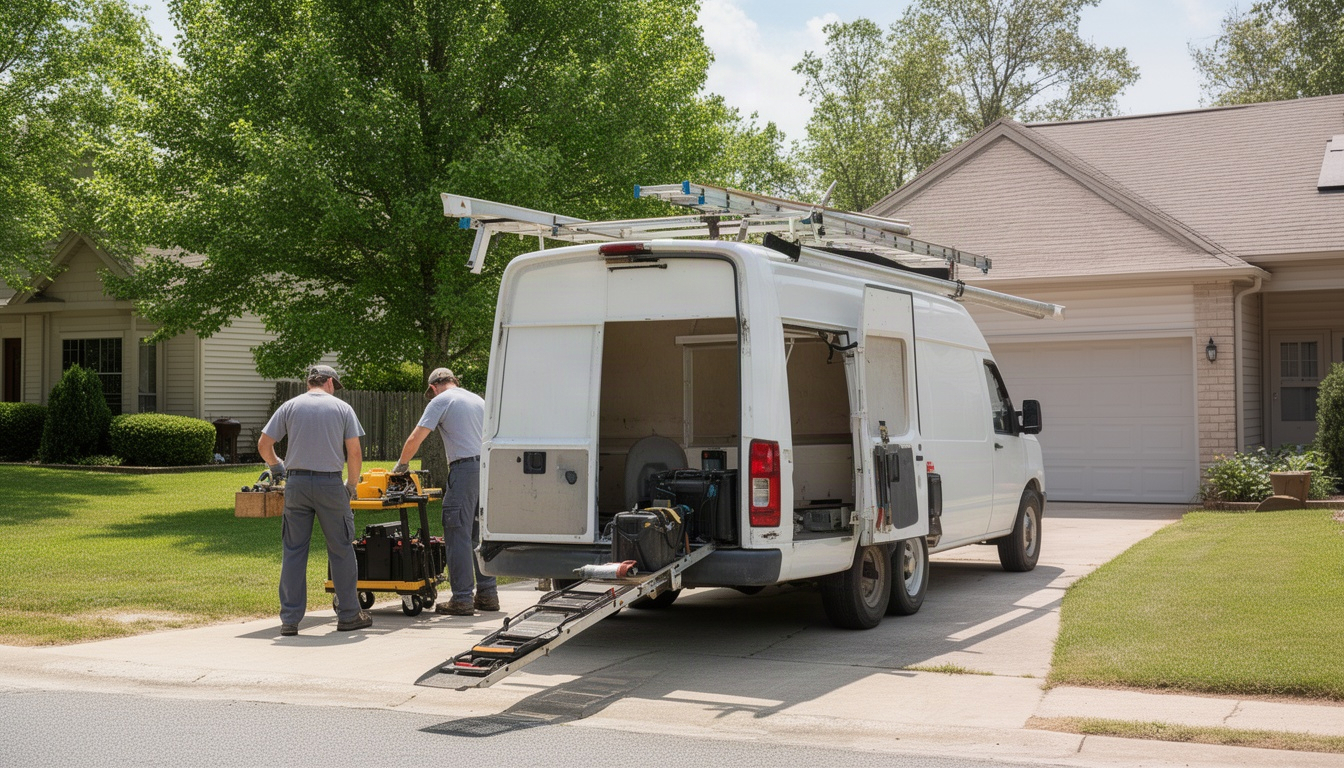
Right now, finding someone reliable to show up and do the work is harder than it's been in a long time. You post a job, get a handful of applications, and half of them don't even answer when you call back. The ones who do show up late or ghost after two weeks. Sound familiar?
Here's the thing: the problem isn't that good employees don't exist. The problem is that most small business owners are sourcing and screening the same way they did ten years ago - and the market has shifted. You're competing against bigger companies with better pay, and you're losing candidates because your process is slow or unclear.
This guide walks you through exactly how to find good employees, screen them fast, and keep them once you hire them. You'll see where to post, how to run a screening process that actually predicts who will stick around, and how to build something repeatable you can use every time you need to hire.
Why Finding Good Employees Is Hard Right Now
Let's start with the reality. A lot of small business owners have open positions they simply can't fill. That's not a shortage of people looking for work - it's a shortage of people who meet your standards and will actually show up.
The distinction matters. You can find applicants. What's hard is finding applicants who are reliable, show up on time, and don't quit after a month. And that's where most owners get stuck.
The gap isn't between sourcing and screening - it's that owners often skip the screening step altogether. You post a job, pick the first person who seems okay, and hope it works out. When it doesn't, you're back to square one, and now you've lost two weeks and a paycheck.
For trades like HVAC, roofing, and pest control, the stakes are even higher. Learn more about HVAC recruiting. A bad hire on a service call reflects directly on your business. A no-show means a customer's AC is still broken, and you're scrambling to cover the appointment yourself.
The good news: if you define what "good" looks like before you start hiring, and you screen properly, you'll find people who stick around. Research on hiring practices from PMC consistently shows that the employee journey begins with hiring the right person - and that foundation shapes everything that follows, from onboarding through the full life of their employment with you. It takes a little more time upfront, but it saves you months of turnover costs later.
What Does a "Good Employee" Actually Look Like?
Before you post a job, you need to know what you're looking for. Most owners skip this step and go straight to Indeed. That's why they end up interviewing people who don't fit.
Here's what separates a good employee from a mediocre one in service trades: reliability beats skill every time. See our guide to employee scorecard. You can teach someone how to run a pressure washer or mix mortar. You can't teach someone to show up on time or care about the work.
When you're hiring for a roofing crew, a cleaning service, or a plumbing apprentice, focus on these traits first:
- Shows up on time, consistently. This is non-negotiable. If someone is late to the interview, they'll be late to the job.
- Communicates when something's wrong. A good employee texts you if they're running late or if they hit a problem on a job. A bad one just doesn't show up.
- Takes pride in the work. They ask questions about how to do it right, not just how fast they can finish.
- Honest about what they don't know. They'll tell you they've never done something before, rather than pretend and mess it up.
- Stays calm under pressure. Service work is unpredictable. A customer gets upset, a tool breaks, the weather changes. Good employees handle it without falling apart.
Skills are trainable. Attitude is not. A person with zero HVAC experience but a solid work ethic will outperform a technically skilled person who doesn't care.
Before you write a job posting, write down the top three traits you need most. Then write down what success looks like in the first 90 days. This becomes your hiring scorecard - the thing you measure every candidate against.
Where to Find Good Employees: Best Sources by Business Type
You have more options than you think. The trick is knowing which channels work best for your trade and budget.
Employee referrals are the gold standard. When someone already working for you refers a friend, the quality tends to be noticeably higher than a cold applicant. They also stay longer and perform better. Why? Because your employee's reputation is on the line. They're not going to refer someone who'll embarrass them. A structured referral program is one of the most reliable ways, as Indeed's hiring guide explains, to consistently surface strong candidates.
Set up a simple referral bonus - say, a couple hundred dollars paid after the new hire completes 90 days. Tell your team: "If you know someone who'd be good, send them my way. If they work out, there's money in it for you." That's it. Simple, effective, and cheaper than most job board postings.
Job boards like Indeed and ZipRecruiter reach the most people, but they also require the most screening. You'll get volume, but you'll also get a lot of noise. The upside: you can post today and get applications by tomorrow. When you do post, UW-Madison HR recommends being clear about both what you're looking for and what you're offering - that balance attracts people who are qualified and genuinely interested in the role, not just anyone who clicks apply.
Trade schools and apprenticeship programs are underutilized. Call your local community college's HVAC, plumbing, or electrical program. Talk to the instructors. They know who's serious about the trade and who's just taking the class. People coming out of apprenticeship programs tend to stick around - they've already invested in the trade and want to build a career in it. Plus, these candidates are hungry to prove themselves.
Facebook community groups and local Facebook Jobs work surprisingly well for service businesses. Post in your local neighborhood group or use Facebook Jobs to target people in your area. It's free or cheap, and you're reaching people who already live near your service area. For a cleaning service or landscaping crew, this is often faster than Indeed.
Nextdoor is another local channel. Homeowners on Nextdoor are already thinking about home services, so they're primed to see a hiring post. It's free and hyper-local.
Here's a simple comparison of the main channels:
| Channel | Cost | Time to First Applicant | Quality | Best For |
|---|---|---|---|---|
| Referral bonus | Low | 1–2 weeks | Highest | Ongoing hiring |
| Indeed | Moderate | 1–2 days | Medium | High volume |
| Trade schools | Low | 2–4 weeks | High | Entry-level techs |
| Facebook/Nextdoor | Low | 3–5 days | Medium | Local service roles |
| ZipRecruiter | Moderate | 1–2 days | Medium | Broad reach |
The best strategy: use referrals as your primary channel, and supplement with one job board when you need to fill a role fast. Add trade school outreach if you're hiring entry-level.
How Do You Screen Applicants Without Wasting Hours?
This is where most owners lose time. They get ten applications, call all ten people, and end up in long conversations that go nowhere. Then they pick someone based on a gut feeling.
Here's a three-step screening process that works:
Step 1: Pre-screen call (5–10 minutes)
When someone applies, call them within a few hours. Yes, actually call. Texting is fine for scheduling, but a quick phone call tells you a lot.
Ask three things:
- "Tell me about your experience with [the specific work]."
- "Why are you interested in this job?"
- "What's your availability? Can you start [date]?"
Listen for how they answer, not just what they say. Do they sound engaged? Do they ask questions? Do they seem reliable? If the answer is no to any of those, thank them and move on. You're looking for a yes on all three.
This call takes five minutes. If they don't pass, you've saved yourself an hour of interview time. When you're dealing with a lot of applicants at once, it helps to combine your screening, scheduling, and tracking into a single simple workflow, as Phenom's candidate screening guide recommends, so nobody falls through the cracks.
Step 2: Structured interview (30 minutes)
Invite the top two or three candidates to a 30-minute interview. Use the same questions for every candidate so you can compare fairly.
Here are five questions that reveal work ethic and reliability:
- "Tell me about a time you had to deal with a difficult customer or situation at work. How did you handle it?" (Reveals problem-solving and composure.)
- "Describe a time you made a mistake at work. What did you do about it?" (Reveals honesty and accountability.)
- "What does a typical day look like for you? Walk me through it." (Reveals whether they're organized and detail-oriented.)
- "Why did you leave your last job?" (Listen for the story. If they blame everyone else, that's a red flag.)
- "What do you want to be doing in two years?" (Reveals whether they see this as a real job or just a paycheck.)
Write down their answers. Don't rely on memory. At the end, you'll have notes on each person that you can compare.
Step 3: Paid work trial (half-day)
Before you make an offer, invite your top candidate to work a half-day. Pay them a fair hourly rate for their time.
This is the most underrated screening tool out there. You get to see how they actually work, how they interact with your team, and whether they show up on time. A bad hire costs you far more in turnover and lost productivity, as AlliedOneSource notes, than a short paid trial ever will - so think of it as the best money you'll spend in the hiring process.
Watch for these red flags during the trial:
- They show up late or don't show up at all.
- They're on their phone constantly.
- They don't ask questions or seem confused about what to do.
- They complain about the work or the pay.
- They don't follow safety rules or your processes.
If you see any of those, don't hire them. If they pass the trial, you've got a solid signal.
Background checks
Run a basic criminal background check before the first day. It's inexpensive, takes a few days, and services like Checkr make it simple. This is standard practice and protects you and your customers.
What Pay and Benefits Do Good Employees Expect?
Here's the hard truth: you can't hire good people if you're underpaying them.
The U.S. Bureau of Labor Statistics tracks median wages across trades, and the numbers are worth knowing. HVAC technicians, plumbers, landscaping workers, and cleaning workers all have going rates in your area - and if you're offering noticeably less than what competitors are paying, good candidates will take the other job. They have options.
The math on paying slightly above market is straightforward. The extra cost per year for a small bump in hourly pay is almost always less than what you'd spend replacing someone who left for a better offer. Recruiting, onboarding, and the productivity dip while someone new ramps up adds up fast, as Goldbeck's cost-per-hire breakdown discusses,. Paying a little more to keep good people wins every time.
Beyond wages, good employees care about:
- Schedule flexibility. If you can offer consistent hours or predictable days off, that matters.
- Paid time off. Even one week of PTO per year is a big deal for hourly workers.
- Tools and equipment provided. If you supply the tools, that's one less barrier to entry.
- Clear expectations. Knowing what success looks like and how they'll be paid - hourly, commission, bonus - reduces anxiety.
You don't need to match a big company's benefits package. You just need to be honest about what you're offering and pay fairly for the work.
How to Keep Good Employees Once You Hire Them
Finding good employees is half the battle. Keeping them is the other half. For more details, see technician training program.
A surprising number of hourly workers leave within the first few months. Most of them leave because they feel lost, unsupported, or unclear about what's expected. That's fixable.
The first 30 days matter most. Set up a simple onboarding checklist:
- Day 1: Show them where everything is, introduce them to the team, explain the safety rules.
- Week 1: Pair them with a senior person for every job. They shadow, they learn, they ask questions.
- Week 2–4: They start doing tasks with supervision. You're still there, but they're taking the lead.
- End of month: Check in. How are they feeling? What questions do they have? Are they on track?
The 60-day mark is when you have the first real conversation about how it's going. Are they fitting in? Do they understand the job? Are there any issues? This is also when you can adjust pay or hours if needed.
By 90 days, they should be doing the job independently with occasional check-ins. If they're not, you know early enough to make a change.
The key is consistency. Check in regularly. Give feedback. Let them know they're doing well. People stay when they feel valued and know where they stand.
Frequently Asked Questions About Finding Good Employees
How much does it cost to hire a new employee for a small business?
Direct Answer: Replacing one entry-level or hourly worker typically costs several thousand dollars, according to iCIMS's cost-per-hire analysis, once you factor in recruiting, training, and lost productivity.
This includes the time you spend interviewing, the cost of job postings, onboarding time, and the productivity dip while the new person ramps up. Either way, the replacement cost dwarfs the sourcing cost. This is why paying slightly above market to keep good people is such a smart investment.
What is the fastest way to find employees right now?
Direct Answer: Job boards like Indeed and ZipRecruiter get you applicants within 24 hours, but employee referrals and trade school outreach often yield better candidates faster once you set them up.
If you need someone in the next week, post on Indeed and call your local trade school. If you have time, lean on referrals from your current team. A referral takes longer to materialize, but when it does, the person is already vetted by someone you trust.
How do you find good employees when no one is applying?
Direct Answer: Expand your sourcing channels and take a look at your pay offer.
If Indeed isn't working, try Facebook community groups, Nextdoor, and trade schools. You might also be pricing yourself out of the market - check what competitors are paying in your area. If you're meaningfully below market, raise your offer. You'll get more applicants, and they'll be better quality. You can also offer a signing bonus after the first 30 days to sweeten the deal without committing to a permanent raise.
Should I use a staffing agency or hire directly?
Direct Answer: Hire directly if you can; staffing agencies are expensive and you lose control over who shows up.
Staffing agencies typically charge a significant percentage of the employee's first-year salary as a fee. You're better off putting that money toward a referral bonus program or a job board posting. The only exception: if you need temporary coverage for a specific project and don't want to hire full-time, an agency makes sense.
What questions should I ask in an interview to find a reliable worker?
Direct Answer: Ask about past mistakes, difficult situations, and what they want long-term. Listen for honesty and problem-solving, not perfect answers.
The five questions in the screening section above work well, as CareerPlug's candidate quality guide recommends,. The key is asking open-ended questions and listening to how they answer, not just what they say. Someone who admits a mistake and explains how they fixed it is more trustworthy than someone who claims they've never made one.
How do I keep good employees from leaving after I hire them?
Direct Answer: Set clear expectations, check in regularly, and pay fairly. Most people leave because they feel lost or undervalued, not because of the work itself.
Use the 30-60-90 day onboarding plan. Have regular check-ins. Give feedback. Let them know when they're doing well. If they're performing, give them a raise or more responsibility. People stay when they feel like they're part of something and their work matters.
The Bottom Line
Finding good employees comes down to three things: knowing what you're looking for, screening properly, and paying fairly.
Start with a referral bonus program. It's the cheapest, highest-quality channel you have. Supplement with one job board when you need volume. Use trade schools for entry-level hires. Screen with a phone call, a structured interview, and a paid work trial. Pay at or slightly above market. Onboard consistently for the first 90 days.
If you're tired of spending hours on the phone with unqualified candidates and then scrambling to cover shifts when people quit, this process will change that. You'll hire fewer people, but they'll stick around longer and do better work.
One more thing: if you're running a service business and you're doing all this screening and follow-up yourself, you're spending time you could be spending on the job. LocalRestart can handle the texting, scheduling, and interview coordination so you focus on running the business. But the screening process itself - knowing what you want and making the final call - that's on you, and it should be.
Start with referrals this week. Tell your team about the bonus. You'll be surprised how fast good people show up when your own people are recommending them.